
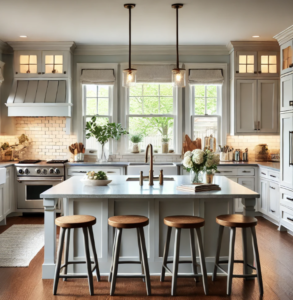
A kitchen remodel is one of the biggest “day-to-day impact” construction projects you can do—because you’ll feel the results every single morning, every meal, every holiday. In St. Louis, doing it professionally means more than pretty cabinets and new counters. It means smart planning, the right contractor, code-correct trades, realistic scheduling, and quality control from demolition to final inspection.
Below is a clear, construction-minded roadmap to help you get a kitchen remodel done the professional way—so it looks amazing and performs like it should for years.
📰 Construction-news authority links used in this article (each only once): Engineering News-Record (ENR) Engineering News-Record • AGC News AGC News • U.S. Census Construction Spending release Census.gov • Dodge Construction Network—Construction News Dodge Construction Network • OSHA Safety Stand-Down release DOL • Wikipedia—Construction
A professional kitchen remodel isn’t about “how fast can we finish?” It’s about “how well will this work when real life hits?”—busy mornings, messy cooking, kids running through, guests hovering, and the inevitable appliance replacement years later. The best St. Louis remodels are built on three things: a solid plan, a proven build team, and a process that protects your home (and your sanity) while the work is happening. 😅
If you follow the steps below, you’ll avoid the most common remodel problems: blown budgets, delays that drag on forever, poor workmanship hidden behind finishes, and that dreaded feeling that you have to babysit the job.
Start With a Real Plan (Not Just Pretty Photos)
Professional remodels begin with decisions—made early—so construction doesn’t turn into costly change orders later. Before you request bids, define your “must-haves” and your “nice-to-haves,” then map your existing pain points.
Think like a builder for a moment: Where do people bottleneck? Do you need more landing space by the stove? Are you always fighting for outlets? Is the lighting dim where you prep food? Are you constantly stepping around an open dishwasher? Those issues drive the layout more than any trend.
A good plan also includes the “invisible” upgrades that make a kitchen feel high-end: correct task lighting, smart electrical placement, proper ventilation, and storage that fits how you actually live. When you do that work upfront, your contractor can price accurately—and your project stays calmer. ✅
Budget Like a Pro: Use “All-In” Numbers and a Contingency
Remodel budgets go sideways when homeowners budget for finishes but forget construction realities: demolition surprises, code updates, and labor availability. National construction conditions and pricing move over time, so it’s smart to stay aware of the market and build in cushion. The U.S. Census construction spending releases are a simple way to track the broader construction climate. Census.gov
For a professional approach, set:
-
Your “all-in” budget (construction + design + permits + material tax + delivery + disposal)
-
A contingency (commonly 10–20% for remodels, especially in older St. Louis homes)
St. Louis kitchens frequently sit in homes with decades of modifications—meaning you can discover outdated wiring, buried junction boxes, questionable plumbing transitions, or subfloor issues after demo. A contingency keeps you making decisions from confidence, not panic. 💪
Choose the Right Contractor: Remodel Experience Beats General Experience
Kitchen remodeling is specialized construction. A contractor can be excellent at decks or additions and still struggle inside a kitchen because kitchens require tight coordination: plumbing, electrical, HVAC/venting, cabinets, countertops, tile, flooring, paint, and appliances—all sequenced correctly.
When you’re vetting a contractor, look for:
-
A portfolio of recent kitchen remodels
-
A clear scope of work (not vague bullet points)
-
A stated schedule (even if it’s a range)
-
Proof of insurance and the ability to pull permits where required
-
A process for change orders and selections
Bonus points if your contractor runs the job like a professional builder: documented milestones, weekly updates, and a punch-list system at the end. In the broader industry, you’ll see exactly how seriously top contractors treat process and project controls in outlets like Engineering News-Record. Engineering News-Record
Lock Your Selections Early (Cabinets, Countertops, Tile, Fixtures, Appliances)
One of the biggest schedule killers is late selections. If your countertop slab isn’t chosen, templates can’t be done. If fixtures aren’t ordered, rough plumbing can’t be finalized confidently. If appliances change, electrical and cabinet openings may have to be reworked.
A professional workflow looks like this:
-
Finalize layout and appliance sizes first
-
Confirm cabinet design and storage features
-
Choose countertops and backsplash coordination
-
Pick sink/faucet and confirm plumbing connections
-
Confirm lighting plan (recessed + under-cabinet + pendants)
-
Approve flooring and transitions
Your remodel will move smoother when material lead times are respected and ordering is done early. Many construction news sources track how supply chains, technology adoption, and labor availability influence jobsite timelines—helpful context when you’re setting expectations. Dodge Construction Network+1
Permits, Inspections, and Code-Correct Work: Don’t Skip the “Boring” Stuff
A professional kitchen remodel is code-correct, inspected where required, and built so future homeowners (or appraisers) don’t get spooked. That means proper electrical circuits, GFCI/AFCI protection where applicable, safe clearances, venting that actually vents to the exterior, and plumbing that isn’t a patchwork of shortcuts.
If your contractor suggests skipping permits “to save time,” that’s not professional—that’s risk transfer (to you). The best remodels protect you legally and structurally, not just cosmetically.
Also, safety matters during construction. Dust control, safe demo practices, and fall prevention are real issues—even on residential projects—so it’s worth working with teams that respect jobsite safety culture. OSHA’s safety messaging for construction exists for a reason. DOL 🦺
Demand a Clear Construction Sequence (This Prevents Chaos)
A professional contractor can explain the sequence before the first hammer swings. A typical kitchen remodel flow often looks like:
-
Site protection (floors, doorways, dust barriers)
-
Demo and disposal
-
Framing fixes (if any)
-
Rough plumbing, rough electrical, rough HVAC/venting
-
Inspections (when applicable)
-
Drywall and paint primer
-
Flooring (depends on system and cabinets)
-
Cabinet install
-
Countertop template and install
-
Backsplash and finish plumbing/electrical
-
Appliance install and final trim
-
Final inspection + punch list
When the sequence is wrong—like cabinets installed before a critical floor repair, or tile started before walls are prepped—you get delays and rework. Pros protect the sequence like a spine.
Build Quality Into the Details (Where Professional Remodels Separate Themselves)
You can spot a professional kitchen not just by what you see, but by how it feels:
-
Doors and drawers align, glide, and close cleanly
-
Trim lines are straight, caulk is neat, paint is consistent
-
Outlets are thoughtfully placed (not “wherever was easiest”)
-
Lighting layers the room (task + ambient + accent)
-
Ventilation actually handles cooking, moisture, and odors
In St. Louis, humidity swings and seasonal changes make proper installation even more important—especially around cabinet leveling, flooring transitions, and caulking at backsplash/counter intersections.
If you want the remodel to age well, prioritize:
-
Moisture-resistant materials near sinks and dishwashers
-
Durable countertop edges and backsplash coverage in splash zones
-
High-quality cabinet hardware (it’s used constantly)
-
A vent hood sized for the cooking style (not just looks)
These aren’t glamorous line items, but they’re the difference between “new kitchen” and “professional kitchen.” 🔥
Manage Communication Like a Jobsite, Not a Group Chat
Professional remodels don’t rely on memory or random texts. They rely on written scope, documented selections, scheduled walkthroughs, and clear approvals.
A strong communication cadence includes:
-
A pre-construction meeting
-
Weekly progress updates (what happened / what’s next / what you need to decide)
-
A single place for decisions (email thread, project portal, or written change orders)
-
A final punch-list walk where issues are logged and closed out
Industry groups like the Associated General Contractors regularly emphasize safety, training, and professional standards—good signals for what “serious” looks like in construction culture. AGC News
Conclusion
Getting a professional Kitchen Remodel St Louis isn’t about chasing trends—it’s about building a kitchen that works beautifully, holds up under real life, and is constructed with discipline from start to finish. When you plan early, budget with a contingency, hire remodel-specific talent, lock selections, respect permits and inspections, and insist on a clean construction sequence, you dramatically increase your odds of a smooth project and a finished kitchen you’re proud of. 😊
A kitchen remodel is construction—real construction. Treat it that way, and you’ll end up with results that feel intentional, functional, and genuinely professional.
Nayab chauhan
Poultry farm
Nayab chauhan
Hi