

Month: December 2025

How to Get a Truly Professional Kitchen Remodel in St. Louis Done Right (From Planning to Final Punch List) 🛠️🏡

Construction News for Kitchen Remodel St Louis

A kitchen remodel is one of the biggest “day-to-day impact” construction projects you can do—because you’ll feel the results every single morning, every meal, every holiday. In St. Louis, doing it professionally means more than pretty cabinets and new counters. It means smart planning, the right contractor, code-correct trades, realistic scheduling, and quality control from demolition to final inspection.

Below is a clear, construction-minded roadmap to help you get a kitchen remodel done the professional way—so it looks amazing and performs like it should for years.

📰 Construction-news authority links used in this article (each only once): Engineering News-Record (ENR) Engineering News-Record • AGC News AGC News • U.S. Census Construction Spending release Census.gov • Dodge Construction Network—Construction News Dodge Construction Network • OSHA Safety Stand-Down release DOL • Wikipedia—Construction


A professional kitchen remodel isn’t about “how fast can we finish?” It’s about “how well will this work when real life hits?”—busy mornings, messy cooking, kids running through, guests hovering, and the inevitable appliance replacement years later. The best St. Louis remodels are built on three things: a solid plan, a proven build team, and a process that protects your home (and your sanity) while the work is happening. 😅

If you follow the steps below, you’ll avoid the most common remodel problems: blown budgets, delays that drag on forever, poor workmanship hidden behind finishes, and that dreaded feeling that you have to babysit the job.


Start With a Real Plan (Not Just Pretty Photos)

Professional remodels begin with decisions—made early—so construction doesn’t turn into costly change orders later. Before you request bids, define your “must-haves” and your “nice-to-haves,” then map your existing pain points.

Think like a builder for a moment: Where do people bottleneck? Do you need more landing space by the stove? Are you always fighting for outlets? Is the lighting dim where you prep food? Are you constantly stepping around an open dishwasher? Those issues drive the layout more than any trend.

A good plan also includes the “invisible” upgrades that make a kitchen feel high-end: correct task lighting, smart electrical placement, proper ventilation, and storage that fits how you actually live. When you do that work upfront, your contractor can price accurately—and your project stays calmer. ✅


Budget Like a Pro: Use “All-In” Numbers and a Contingency

Remodel budgets go sideways when homeowners budget for finishes but forget construction realities: demolition surprises, code updates, and labor availability. National construction conditions and pricing move over time, so it’s smart to stay aware of the market and build in cushion. The U.S. Census construction spending releases are a simple way to track the broader construction climate. Census.gov

For a professional approach, set:

  • Your “all-in” budget (construction + design + permits + material tax + delivery + disposal)

  • A contingency (commonly 10–20% for remodels, especially in older St. Louis homes)

St. Louis kitchens frequently sit in homes with decades of modifications—meaning you can discover outdated wiring, buried junction boxes, questionable plumbing transitions, or subfloor issues after demo. A contingency keeps you making decisions from confidence, not panic. 💪


Choose the Right Contractor: Remodel Experience Beats General Experience

Kitchen remodeling is specialized construction. A contractor can be excellent at decks or additions and still struggle inside a kitchen because kitchens require tight coordination: plumbing, electrical, HVAC/venting, cabinets, countertops, tile, flooring, paint, and appliances—all sequenced correctly.

When you’re vetting a contractor, look for:

  • A portfolio of recent kitchen remodels

  • A clear scope of work (not vague bullet points)

  • A stated schedule (even if it’s a range)

  • Proof of insurance and the ability to pull permits where required

  • A process for change orders and selections

Bonus points if your contractor runs the job like a professional builder: documented milestones, weekly updates, and a punch-list system at the end. In the broader industry, you’ll see exactly how seriously top contractors treat process and project controls in outlets like Engineering News-Record. Engineering News-Record


Lock Your Selections Early (Cabinets, Countertops, Tile, Fixtures, Appliances)

One of the biggest schedule killers is late selections. If your countertop slab isn’t chosen, templates can’t be done. If fixtures aren’t ordered, rough plumbing can’t be finalized confidently. If appliances change, electrical and cabinet openings may have to be reworked.

A professional workflow looks like this:

  • Finalize layout and appliance sizes first

  • Confirm cabinet design and storage features

  • Choose countertops and backsplash coordination

  • Pick sink/faucet and confirm plumbing connections

  • Confirm lighting plan (recessed + under-cabinet + pendants)

  • Approve flooring and transitions

Your remodel will move smoother when material lead times are respected and ordering is done early. Many construction news sources track how supply chains, technology adoption, and labor availability influence jobsite timelines—helpful context when you’re setting expectations. Dodge Construction Network+1


Permits, Inspections, and Code-Correct Work: Don’t Skip the “Boring” Stuff

A professional kitchen remodel is code-correct, inspected where required, and built so future homeowners (or appraisers) don’t get spooked. That means proper electrical circuits, GFCI/AFCI protection where applicable, safe clearances, venting that actually vents to the exterior, and plumbing that isn’t a patchwork of shortcuts.

If your contractor suggests skipping permits “to save time,” that’s not professional—that’s risk transfer (to you). The best remodels protect you legally and structurally, not just cosmetically.

Also, safety matters during construction. Dust control, safe demo practices, and fall prevention are real issues—even on residential projects—so it’s worth working with teams that respect jobsite safety culture. OSHA’s safety messaging for construction exists for a reason. DOL 🦺


Demand a Clear Construction Sequence (This Prevents Chaos)

A professional contractor can explain the sequence before the first hammer swings. A typical kitchen remodel flow often looks like:

  1. Site protection (floors, doorways, dust barriers)

  2. Demo and disposal

  3. Framing fixes (if any)

  4. Rough plumbing, rough electrical, rough HVAC/venting

  5. Inspections (when applicable)

  6. Drywall and paint primer

  7. Flooring (depends on system and cabinets)

  8. Cabinet install

  9. Countertop template and install

  10. Backsplash and finish plumbing/electrical

  11. Appliance install and final trim

  12. Final inspection + punch list

When the sequence is wrong—like cabinets installed before a critical floor repair, or tile started before walls are prepped—you get delays and rework. Pros protect the sequence like a spine.


Build Quality Into the Details (Where Professional Remodels Separate Themselves)

You can spot a professional kitchen not just by what you see, but by how it feels:

  • Doors and drawers align, glide, and close cleanly

  • Trim lines are straight, caulk is neat, paint is consistent

  • Outlets are thoughtfully placed (not “wherever was easiest”)

  • Lighting layers the room (task + ambient + accent)

  • Ventilation actually handles cooking, moisture, and odors

In St. Louis, humidity swings and seasonal changes make proper installation even more important—especially around cabinet leveling, flooring transitions, and caulking at backsplash/counter intersections.

If you want the remodel to age well, prioritize:

  • Moisture-resistant materials near sinks and dishwashers

  • Durable countertop edges and backsplash coverage in splash zones

  • High-quality cabinet hardware (it’s used constantly)

  • A vent hood sized for the cooking style (not just looks)

These aren’t glamorous line items, but they’re the difference between “new kitchen” and “professional kitchen.” 🔥


Manage Communication Like a Jobsite, Not a Group Chat

Professional remodels don’t rely on memory or random texts. They rely on written scope, documented selections, scheduled walkthroughs, and clear approvals.

A strong communication cadence includes:

  • A pre-construction meeting

  • Weekly progress updates (what happened / what’s next / what you need to decide)

  • A single place for decisions (email thread, project portal, or written change orders)

  • A final punch-list walk where issues are logged and closed out

Industry groups like the Associated General Contractors regularly emphasize safety, training, and professional standards—good signals for what “serious” looks like in construction culture. AGC News


Conclusion

Getting a professional Kitchen Remodel St Louis isn’t about chasing trends—it’s about building a kitchen that works beautifully, holds up under real life, and is constructed with discipline from start to finish. When you plan early, budget with a contingency, hire remodel-specific talent, lock selections, respect permits and inspections, and insist on a clean construction sequence, you dramatically increase your odds of a smooth project and a finished kitchen you’re proud of. 😊

A kitchen remodel is construction—real construction. Treat it that way, and you’ll end up with results that feel intentional, functional, and genuinely professional.
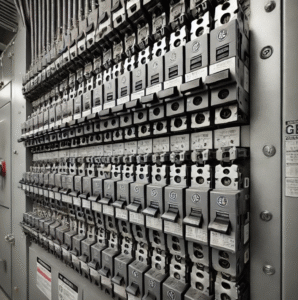

Why Construction Companies Rely on GE Electrical Breakers for Safety, Uptime, and Profit 🚧⚡

Construction News for ge electrical breakers

Construction moves fast. Money is on the line every single minute work is stopped. Crews have to power heavy equipment, temporary lighting, trailers, compressors, generators, lifts, welders, and saws, often in harsh outdoor and semi-permanent setups. The electrical load is intense, constantly changing, and rarely gentle. That’s why construction companies lean on reliable electrical protection hardware — and GE electrical breakers have become a go-to choice on job sites across the country. These breakers help crews stay safe, keep power running, and avoid expensive downtime or fines. They’ve become part of the backbone of how modern jobsites actually function day to day.

When a general contractor or electrical subcontractor sets up temporary power, they’re not improvising. They are protecting crews, protecting gear, and protecting the schedule. GE electrical breakers are trusted in that setup because they’re built to handle rugged environments, they follow recognized standards for interruption and protection, and they scale easily from a trailer panel to a large distribution center buildout. That reliability is worth real money for builders, especially in a time when tight project delivery is one of the biggest pressure points in the entire construction industry, as reported consistently in construction industry coverage from sources like Construction Dive.

Below are the core reasons construction companies continue to choose GE electrical breakers and keep them in circulation across temporary power setups, permanent installs, service upgrades, and retrofit work.

Safety on the job site is non-negotiable 🔧

Electrical safety is one area where no serious contractor cuts corners. A breaker’s first job is simple: interrupt dangerous current before it can hurt someone or destroy equipment. GE electrical breakers are designed to trip under overload or short circuit conditions, which prevents overheating, fire risk, and damage to downstream tools and wiring. That matters on construction sites because temporary panels, cords, and equipment get moved, dragged, and stressed in ways they’ll never experience in a finished building.

When a panel is feeding a scissor lift, fans for concrete curing, jobsite heaters, or multiple cutting stations, it’s easy for circuits to be pushed to the limit. Breakers that reliably trip at the correct rating protect electricians, laborers, and equipment operators from arc flashes or shock events. This is aligned with widely accepted electrical safety practices and standards described in resources like National Electrical Code, which construction crews follow to remain compliant with inspectors and safety officers.

GE electrical breakers are also known for consistent performance in harsh and unpredictable load conditions. On a live site, dust, moisture, and vibration are constant. Crews may plug and unplug large tools dozens of times a day. A breaker that doesn’t respond the same way every time is a liability. A breaker that does respond the same way every time is an asset. Safety on the jobsite is about predictability. GE gives predictable.

Reliable breakers protect schedule, and schedule protects profit 🏗️

In construction, lost time is lost money. If a temporary power panel fails or a breaker weakens and nuisance-trips all day long, that ripple hits the whole job. Crews stand around. Rentals sit idle while still billing. Concrete trucks miss timing. The GC starts breathing down the neck of the electrical subcontractor.

GE electrical breakers are chosen because they strike a balance between fast trip on dangerous current and stable performance under normal heavy load. That means fewer nuisance trips in the middle of critical work. When breakers are consistent, foremen can plan crews with confidence. They know how many saws, fans, lights, chargers, and drills they can safely run on a run of circuits, and that stability helps the superintendent hit daily production goals.

The construction industry is feeling intense pressure right now to deliver projects faster despite labor shortages and rising material costs, something widely documented in industry reporting such as ENR (Engineering News-Record). When margins are already squeezed, a power headache that burns even two hours of productivity is not just an annoyance. It’s an avoidable cost. Reliable breakers protect uptime, and uptime protects the budget.

Compatibility and standardization keep crews moving 🔌

Most job site electricians don’t want surprises. When they open a panel, they want to immediately understand the layout, identify the breaker types, match ratings, and make safe adjustments if needed. GE electrical breakers are common, which means they’re familiar. Crews already know how they mount, how they reset, how they label, and how they coordinate with panels. That saves time on site.

Standardization also matters for replacements. If a breaker is damaged or needs to be swapped, it’s easier to source a common, recognized brand than to special-order something obscure. Construction teams often pull from existing stock, from the shop, or from previous jobs. Using a widely available breaker line means faster, cleaner fixes and less downtime.

This matters on big commercial and industrial builds in particular. Those projects require organized power distribution for welding stations, lifts, lighting strings running multiple stories, pressure-testing pumps, and temporary HVAC. When every floor or trailer is using familiar hardware, troubleshooting gets faster. Less troubleshooting equals less rework. Less rework equals more profitability. That kind of “quiet efficiency” is one of the reasons construction project leads pay attention to supply chain and standardization trends covered by outlets like Construction Executive.

GE breakers support inspection, documentation, and liability control 📋

Inspectors care about more than whether the lights come on. They look at correct breaker sizing, correct labeling, correct panel loading, and whether the installed equipment is appropriate for the environment. If something goes wrong — fire, shock, injury, property damage — everyone will ask: Was the electrical protection appropriate and documented.

Using a trusted breaker brand helps with that story. GE electrical breakers are designed and rated to meet established electrical protection requirements under load, fault, and short circuit conditions. The basic function is recognized in electrical engineering and safety standards tied to circuit breakers in general, which are defined as automatically operated switches that protect an electrical circuit from damage caused by excess current from an overload or short circuit, as described in circuit breaker (Wikipedia).

That matters in the real world. If an incident occurs, a contractor wants to be able to point to established products, known ratings, and logged inspections. A foreman can say: the breaker was correctly sized, it was properly labeled on the panel schedule, it was reset or replaced according to manufacturer recommendations, and it was installed according to code. That paper trail protects the company. It also protects the GC and sometimes even the property owner.

Electrical issues are one of the top triggers for disputes, delays, and insurance claims on major projects. Nobody wants to eat that cost. When an electrical subcontractor can demonstrate that they used appropriate, code-aligned components with a long track record on commercial work, it lowers exposure.

Scalability from temporary power to permanent infrastructure ⚙️

Construction doesn’t happen in one neat phase. There’s site prep, foundation work, steel, framing, mechanical, rough-in, finish, punch list, and turnover. Power needs change at every one of those stages. Early on, you might just be running outdoor lighting, forms, pumps, and site trailers. Later on, you’re energizing elevators, air handlers, full lighting systems, and IT closets for commissioning. The scale and sensitivity of what’s being powered ramps up.

GE electrical breakers are used because they’re available in a range that supports that evolution. A company can stick with the same brand logic from day-one temporary panels to final distribution panels feeding permanent building systems. That continuity matters in turnover and closeout. It means there’s less guesswork in documentation at the end of the job when everything gets handed to the building owner’s facility team. It also makes it easier for maintenance teams after handoff, because the installed gear is recognizable and serviceable.

This clean chain from temporary to permanent is valuable in certain delivery models like design-build and CM-at-risk, where the contractor’s responsibility extends deeper into performance and warranty. Construction media and cost analysis coverage, including reporting from The Construction Index, continues to highlight how builders are being held responsible not just for erecting structures, but for delivering systems that work long-term. That includes electrical protection.

Ruggedness in punishing environments 🏞️

A construction site is not a nice place for electrical gear. There’s dust from cutting block and concrete. There’s vibration from running saws and hammer drills through load-bearing material. There’s dirt, water, and sometimes weather exposure. There’s the reality that panels get bumped by pallets, forklifts, and lifts.

GE electrical breakers are often chosen because they’re known to hold up under rough handling and keep performing as expected. When a breaker is built in a way that tolerates shock, vibration, and repeated resets without immediate failure, it saves everyone stress. No electrician wants to explain that half the slab crew went home because a temporary panel collapsed from minor abuse.

Ruggedness also ties into safety culture. A breaker that survives physical stress without cracking or loosening under vibration is less likely to become a hidden hazard. Hidden hazards are the dangerous ones. The cleaner the install and the more durable the breaker body, the easier it is to keep the jobsite safe and compliant with internal company policy as well as enforcement from OSHA and local inspectors. Jobsite safety culture and enforcement continue to be major storylines in construction reporting, especially as firms work to cut lost-time incidents and workers’ comp exposure while keeping productivity high, something highlighted often in Construction Business Owner.

Support for changing load demands as the build evolves 🏢

As the project scales up, so does the power draw. Early in the job, you might be dealing with scattered circuits running saws and temporary lights. By mid-construction, entire floors are active. You may be running heaters in cold weather to cure materials evenly. You may be powering test runs of HVAC systems. By the end, you’re simulating real building load.

GE electrical breakers give contractors a path to size circuits properly as new systems come online. Having access to a known catalog of breaker ratings helps site electricians match protection to expected demand without improvising or “borrowing” power from the wrong panel. Keeping load organized by breaker and panel reduces overload risk when late-stage subs (like low-voltage, elevator, IT, security, or fire alarm teams) start tapping into power to test their systems before handoff.

That organization is huge for avoiding last-minute electrical drama right before Certificate of Occupancy. Delays at that stage are punishing. The crew that can bring a building online clean, stable, documented, and within spec earns trust and repeat work.

Brand trust and continuity across projects 🧰

Construction is built on relationships. GCs remember which electricians quietly deliver working power every single day and which ones are chaos. Electrical subs remember which suppliers get them what they need when they’re under pressure. Everyone remembers which gear held up and which gear caused 3 hours of downtime.

GE electrical breakers show up again and again on specs, in temp panels, and in service trucks because electrical teams already understand them and trust them. That trust turns into habit, and in construction, habit turns into standard. When a brand becomes standard, it becomes repeatable, and repeatable is what keeps jobs on track across multiple sites, multiple clients, and multiple crews.

That kind of brand continuity matters in a market where labor is stretched. Newer apprentices and younger electricians can be trained faster when the equipment they’re working with is familiar, labeled clearly, and predictable. That drives consistency in installs and service across the entire company. Consistency is leverage. Consistency is scale. Consistency turns a crew into a system.

Conclusion: GE electrical breakers help construction teams protect people, protect power, and protect the schedule 🦺

Construction companies rely on GE electrical breakers because they create stability in an unstable environment. They protect workers from dangerous faults. They reduce nuisance trips and keep tools running. They meet expectations from inspectors and insurers. They’re familiar to the crews who have to live with them. They scale from the muddy first day of site work all the way to permanent power-up at turnover.

In an industry where safety, documentation, uptime, and schedule are the currency of survival, GE electrical breakers are one of those quiet parts of the jobsite that most people never notice — unless they fail. Crews stick with what keeps everyone working, keeps everyone safe, and keeps the project moving forward.

Why Louisiana Construction Companies Rely on a Medicare Advisor of Louisiana 🏗️💼

Construction News for Medicare Advisor of Louisiana

The construction industry in Louisiana moves fast. Projects rise along the Gulf Coast, crews work long hours in the sun, and owners juggle tight timelines, fluctuating material costs, and workforce shortages. In the middle of all that, one area quietly carries enormous financial risk and responsibility: how older employees, owners, and key managers handle Medicare and health coverage.

That is exactly where a dedicated Medicare Advisor of Louisiana becomes more than a “nice to have” and turns into a strategic partner for a Louisiana construction company.

A Medicare advisor is not just about helping someone pick a health plan. In a construction environment with an aging workforce, complex safety risks, and tight margins, Medicare guidance directly affects workforce stability, legal compliance, and the bottom line.

Below is a look at why a Louisiana construction company that wants to stay competitive, stable, and profitable benefits from having a trusted Medicare Advisor of Louisiana on its side.

The Aging Construction Workforce Meets Medicare Reality

Across the United States, construction companies rely heavily on experienced workers, many of whom stay in the field well into their 60s and beyond. The broader construction industry is a huge part of the national economy and employs millions of workers, including many older tradespeople and supervisors who carry decades of hard-earned knowledge. Wikipedia

In Louisiana, that pattern stands out even more. Many crews have foremen, crane operators, estimators, project managers, and even owners who are 65 or older. Those individuals become eligible for Medicare, but their decisions do not exist in a vacuum. The choices they make around Medicare can ripple through:

  • Group health plan participation

  • Payroll and tax costs

  • Leave policies and scheduling

  • Long-term workforce planning

A Medicare Advisor of Louisiana sits in the middle of those moving parts. That advisor understands how Medicare coordinates with employer-sponsored coverage, what rules apply when a company has a certain number of employees, and how to help older workers shift coverage without disrupting projects or risking lapses in care.

This is not just about benefits paperwork. It is about protecting the human capital that keeps Louisiana job sites running day after day. 👷‍♂️

Compliance, Risk Management, and Fines a Construction Firm Wants to Avoid

Construction is already a heavily regulated industry. Contractors stay tuned to industry news sources like Construction Dive to monitor changing regulations, project trends, and risk factors that affect their bids and jobs. Construction Dive

Medicare adds another layer of compliance.

A construction company in Louisiana that employs workers who are eligible for Medicare must navigate rules involving:

  • Primary versus secondary payer status

  • Prohibitions on steering workers improperly away from group coverage

  • Timelines for enrollment, special enrollment periods, and COBRA coordination

  • Avoidance of discrimination based on age or health status

Missteps are rarely intentional. They usually happen because owners and HR staff are trying to juggle dozens of responsibilities at once. A Medicare Advisor of Louisiana helps reduce that risk by providing:

  • Clear explanations tailored to the company’s size and structure

  • Plan comparisons that respect federal rules

  • Guidance on what can and cannot be recommended to employees

In an industry where safety violations, environmental citations, and contract disputes already pose enough risk, Medicare compliance is one area a wise contractor chooses not to handle on guesswork. A specialized advisor becomes an extra layer of risk management, much like having professional legal counsel or a strong safety consultant.

Protecting Margins in a Volatile Construction Market

Margins in construction are always under pressure. News sources like Engineering News-Record regularly report on rising material prices, labor shortages, and project cost escalations that affect contractors nationwide. Engineering News-Record

Health costs interact with that pressure in very real ways. For a Louisiana construction company, the way older employees transition to Medicare can impact:

  • Group health insurance premiums

  • Claims experience that affects renewal rates

  • Out-of-pocket costs for owners who are still actively working past 65

  • Budget predictability for future years

A Medicare Advisor of Louisiana brings structure and strategy into these decisions. Instead of each 65-plus employee trying to sort out coverage alone, the advisor:

  • Reviews their options in relation to the company plan

  • Explains how remaining on the group plan compares to switching primarily to Medicare

  • Helps spouses and dependents understand their choices

Handled well, this can ease the load on the group plan over time, which can help stabilize premiums and keep benefit costs more predictable. In a world where input prices and wages are constantly shifting, as highlighted by reports from groups like the Construction Management Association of America’s Industry News, every bit of predictability counts. CMAA

Owner and Executive Needs: The Human Side of Succession and Retirement

In many Louisiana construction companies, the owner, founder, or key partners are still heavily involved in daily operations even as they reach Medicare age. Some are out on job sites. Others manage bids and relationships. Many are not ready to walk away, even if they plan to reduce their hours.

Medicare decisions for these individuals are not just about health coverage. They are intertwined with:

  • Succession planning

  • Exit strategy timelines

  • Financial planning and retirement income

  • Decisions about working part-time versus full-time

A Medicare Advisor of Louisiana helps these leaders understand how Medicare coordinates with:

  • Their personal coverage as owners or executives

  • Company-funded benefits

  • Future retirement medical expenses

When a construction company reads industry updates from association outlets such as AGC News, one theme appears over and over again: the need for smart planning to stay resilient in uncertain markets. AGC News Medicare is part of that planning. An advisor helps ensure owners do not make costly mistakes that could affect both their personal finances and the firm’s stability.

Recruiting and Retaining Skilled Workers in a Competitive Market

Construction labor markets are tight, and Louisiana is no exception. Trade associations like Louisiana Associated General Contractors, which describes itself as “The Voice of the Louisiana Construction Industry,” highlight how important it is for contractors to keep their members and workforce informed, often through press releases and media updates on their Media & Press channels. LAGC Baton Rouge+1

In a market where experienced workers can choose between multiple employers, benefits clarity becomes part of the retention toolkit. When older workers approach 65, they feel understandably anxious about their coverage. If a company can say, “We have a Medicare Advisor of Louisiana available to help you understand your options,” that support becomes part of the employer’s value proposition.

Practical impacts include:

  • Reduced fear and confusion among older workers

  • Less time off spent trying to visit Social Security offices or call Medicare hotlines

  • More loyalty from employees who feel supported during a major life transition

In the long run, that can reduce turnover, lower onboarding costs, and preserve institutional knowledge on the job site. A calm, confident worker who understands their coverage is far more likely to stay focused on safety, quality, and productivity.

Connecting Benefits Strategy to Broader Industry Trends

Louisiana contractors do not operate in a vacuum. They pay close attention to national and regional trends reported by organizations like the Associated General Contractors of America, whose Newsroom and news releases track employment, wages, and cost pressures across the construction sector. AGC of America+1

Those same trends shape benefits strategy. For example:

  • Tight labor markets push wages higher.

  • Rising input costs squeeze remaining margins.

  • Fluctuating demand creates peaks and valleys in project pipelines.

Medicare planning affects how companies absorb those pressures. A thoughtful, guided approach can help companies:

  • Avoid overpaying for coverage that does not fit their aging workforce

  • Ensure workers do not delay necessary care due to confusion about coverage

  • Keep older, highly skilled employees productive instead of on the sidelines due to unresolved health or coverage concerns

When leadership reads about the overall scale and importance of the construction industry in the United States, such as in the Construction industry in the United States overview, it reinforces how critical workforce stability and sound planning are to the sector’s health. Wikipedia A Medicare Advisor of Louisiana is one more lever that company leaders can use to stay ahead rather than react late.

Local Insight Matters: Louisiana-Specific Context and Culture

National resources are valuable, but construction in Louisiana carries its own unique flavor. From coastal resilience projects and petrochemical facilities to highway infrastructure and industrial sites, the state’s contractors work in environments shaped by hurricanes, wetlands, and a deeply rooted local culture.

While national outlets like AGC News Releases and other construction media track countrywide data and trends, Louisiana contractors also lean on state-level associations and local news to understand what is happening in Baton Rouge, New Orleans, Lake Charles, and beyond. AGC of America+1

A Medicare Advisor of Louisiana brings that same local understanding to the benefits conversation. The advisor understands:

  • How local employers typically structure coverage

  • Which carriers and plan designs are most commonly available in the region

  • The real-world concerns of older workers on Louisiana job sites

That local insight allows the advisor to speak the same language as both owners and employees. It turns Medicare from an intimidating federal program into a practical, human conversation grounded in Louisiana realities. 🌵

Conclusion: Medicare Guidance as a Strategic Construction Asset

For a Louisiana construction company, every partnership counts. Companies already follow construction news from sources like Construction Dive, Engineering News-Record, the CMAA Industry News page, AGC News, and Louisiana-specific outlets such as Louisiana AGC Media & Press, along with big-picture views like the Construction industry in the United States overview. Wikipedia+5Construction Dive+5Engineering News-Record+5 Staying informed on projects, prices, and regulations is already part of the business.

Bringing a Medicare Advisor of Louisiana into that circle of trusted partners completes the picture on the people side. It helps:

  • Protect older workers and owners during a major life transition

  • Reduce compliance risk and potential penalties

  • Stabilize benefit costs and preserve profit margins

  • Strengthen retention and loyalty among experienced employees

  • Align benefits strategy with broader economic and industry trends

In a state where the construction industry builds everything from refineries to riverfront developments, workforce stability and financial resilience are just as important as steel and concrete. With a dedicated Medicare Advisor of Louisiana, a construction company gains one more solid foundation under its business, its crews, and its future. 💪🏗️

Powered by WordPress & Theme by Anders Norén