

Month: February 2026

The Seventh Psalm and the Jobsite Mind: Why Matthew Pearce’s Psychological Fiction Hits Home for Construction Employees 🏗️📖

Construction News for The Seventh Psalm good psychological fiction books

Construction work builds more than buildings. It builds pressure, pride, responsibility, and a kind of quiet grit that most people never see. Long days, tight deadlines, shifting crews, hard conversations, and the constant need to stay sharp can stack up in the mind the same way materials stack up on a pallet. That is exactly why psychological fiction can be such a powerful read for construction employees.

The Seventh Psalm by Matthew Pearce is a strong example of psychological fiction that fits the reality of blue-collar life, even though it takes place far from a jobsite. It follows Dr. Mathias Green, a former divinity scholar turned criminal profiler, as he’s pulled into a series of ritualistic murders in New York City, forced to confront what he believes, what he taught, and what he can trust inside his own mind.

This story lands for construction employees because it treats the human mind like a real worksite. There are hazards, hidden failures, structural weaknesses, and moments where a single decision changes everything. It is intense, meaningful, and built around the kind of internal toughness that hardworking people recognize immediately. 🧠⚒️

Psychological Fiction Fits the Construction Mindset 🔧

Construction employees live in a world where details matter. A minor misread, a missed step, or an assumption can cause a chain reaction. Psychological fiction respects that reality because it is built on attention, judgment, and cause-and-effect. The best psychological stories reward readers who are used to thinking through problems instead of drifting through them.

In The Seventh Psalm, the stakes are high, and the characters cannot afford sloppy thinking. Mathias is haunted, pulled between logic and something darker, and the story keeps tightening the screws as he tries to interpret patterns and meaning in what looks like chaos. That mirrors the way construction employees often operate under pressure, doing their best work when the timeline is tight and the consequences are real.

Psychological fiction also gives the brain a different kind of workout than business books or trade content. It strengthens focus, pattern-recognition, patience, and emotional control, all of which matter when you work around risk and responsibility. 🦺

It Reflects Real-World Stress Without Preaching 🧱

A lot of jobsite stress is invisible. It shows up in short tempers, sleep that does not feel like rest, the urge to shut down after work, or the constant sense of having to hold it together. The best psychological fiction does not lecture people about stress. It shows what pressure does to a person when the load keeps increasing.

Construction news regularly covers the realities behind that pressure: labor shortages, material volatility, scheduling problems, safety concerns, and the business stress that flows downhill to the field. Industry outlets like Construction Dive report on the trends that shape day-to-day life in construction, including job openings, project starts, and market shifts. Those headlines are not just “business news.” They are the background noise many construction employees carry every day.

The Seventh Psalm taps into that same emotional landscape by putting its lead character under an escalating mental and moral load. Mathias has to keep moving while his own mind fights him, and that struggle feels familiar to anyone who has ever worked through exhaustion and still showed up ready to perform.

It Speaks to Craft Pride and Accountability 🛠️

Construction work has a unique kind of pride. People can point to what they built. They can say, “I helped make that happen.” With that pride comes accountability, and many construction employees carry a deep personal standard, even when the public never sees it.

In The Seventh Psalm, the crimes are described as staged with “chilling theological precision,” and the investigation becomes about meaning, legacy, and responsibility, not just the obvious surface facts. That sense of precision and consequence resonates with people who understand that workmanship, planning, and execution matter.

It also connects to how construction leaders talk about the future of the industry. Organizations like the Associated General Contractors of America news site regularly cover shifting demand, workforce concerns, and the economic pressures contractors face. Reading psychological fiction alongside that reality can feel surprisingly grounded, because both are about decisions under constraints.

It Encourages Stronger Communication Under Pressure 🤝

Jobsites run on communication. When communication breaks, everything gets harder. Crews lose time. Mistakes multiply. Frustration rises. Psychological fiction, at its best, helps readers see how people react when they feel cornered, accused, misunderstood, or afraid.

The Seventh Psalm builds tension through relationships and trust. Mathias works with a no-nonsense NYPD Captain and a tech analyst, and the story pushes them into difficult moments where clarity and restraint matter. That is the same kind of emotional discipline construction employees need when the schedule slips, change orders hit, or a crew conflict threatens to derail the day.

This theme lines up with how construction associations and management groups frame industry challenges in their own updates and coverage. The Construction Management Association of America industry news page collects and shares developments that affect how teams operate and lead. Construction is not only about building systems. It is about managing people under pressure, and fiction builds empathy for that.

It Helps Readers Process Risk and Safety Through Story 🦺⚠️

Construction employees do not need to be told that safety matters. They live it. They watch for it. They carry it. And they know that safety is not only about rules. It is about mindset.

Psychological fiction often centers on risk, perception, and decision-making. It shows how people rationalize danger, how fear alters judgment, and how pride can become a blind spot. That kind of story can sharpen a reader’s awareness without turning into a training manual.

Construction safety and economic updates are frequently highlighted through contractor organizations and trade coverage, including release-style reporting like the Associated Builders and Contractors news releases, which often tie real-world conditions to the realities of jobsite operations. A psychological thriller can complement that world by reminding readers that the biggest hazards are not always physical. Sometimes they are mental shortcuts, emotional fatigue, and unchecked assumptions.

It Feels Like a “Night Shift Read” That Still Has Depth 🌙

Not every construction employee wants a book that feels like homework. After a long day, the best books are the ones that pull you in fast, hold your attention, and leave you feeling like your time was respected.

The Seventh Psalm has that pull because it blends intensity, symbolism, and character psychology. The story frames Mathias as someone “haunted by a past he refuses to examine” and pulled into a “twisted game of scripture and symbolism.” That kind of momentum works well for readers who have limited downtime and want something that actually engages them.

It also helps that the book’s themes take big ideas and attach them to concrete consequences. The tagline-like progression on the author page makes the tone clear: philosophy becomes prophecy, academia becomes weapon, and the final verse is still unwritten. That is the kind of weight that makes a thriller feel like more than entertainment.

Construction News and the Mind Behind the Work 🏗️🧠

Construction is changing fast, and the mental load is part of that change. Technology, labor constraints, and new project types are shifting expectations in real time. Industry intelligence platforms like Dodge Construction Network track construction data, trends, and market signals that influence how companies plan and staff work. In that environment, construction employees benefit from anything that strengthens focus, mental resilience, and emotional control.

It is also worth recognizing how long construction news has treated the industry’s information ecosystem as essential. Even the history of construction trade journalism reflects that need for trusted reporting and insight, including publications like Engineering News-Record, covered on Wikipedia’s Engineering News-Record page. The industry runs on information, and the individual worker runs on mental clarity. A strong psychological novel supports the second part in a way that feels natural and enjoyable.

Conclusion: A Solid Read for People Who Carry Real Weight 💪📚

The Seventh Psalm is good psychological fiction books for construction employees because it respects pressure, consequence, and the inner discipline it takes to keep moving when the situation gets heavy. It is not about construction, but it is about the kind of mind many construction employees recognize: practical, burdened, alert, and determined to find the truth even when the truth cuts close.

For construction employees who want a story that grips fast, stays sharp, and still offers something meaningful after the final page, The Seventh Psalm fits the bill. It is a mental reset that does not feel soft, and it offers a reminder that strength is not only what people build with their hands. Strength is also what they build inside their head. 🏗️🧠
Why Construction Companies Win More Jobs When They Partner With a Plastic Pallet Company 🏗️♻️

Construction News for Plastic Pallet Company

Construction has always been a “get it done” industry, but the way projects get built keeps evolving. Schedules are tighter, job sites are more regulated, material costs are unpredictable, and clients expect fewer delays and less waste. In that environment, logistics stops being a back-office detail and starts acting like a competitive advantage.

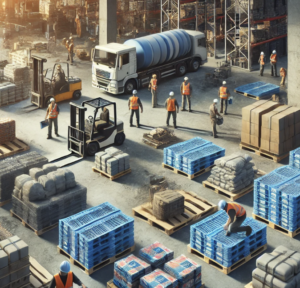
One of the simplest partnerships that strengthens job site logistics is working with a plastic pallet company. It sounds small until it touches everything: material protection, safety, cleanliness, staging speed, forklift efficiency, inventory control, and even how confidently a superintendent can plan daily work. When the pallet system improves, the whole workflow improves. 🔧

Better Material Protection Means Fewer Losses, Fewer Headaches 📦

Construction materials do not like moisture, grime, splinters, or unstable stacking. Wood pallets can absorb water, warp, crack, or shed nails and splinters. That risk shows up in real ways on a job: torn packaging, shifted loads, broken tile boxes, damaged bags of cementitious products, and messy staging areas that slow down crews.

Plastic pallets are built for repeat handling and harsh conditions. They resist moisture, rot, and many chemicals, and they keep their shape more consistently over time. That stability matters when loads are moved across uneven ground, staged outdoors, or stored in partially enclosed structures during early phases of a build. Even when a site is running smoothly, protection from preventable damage is one of the quickest ways to keep margins from leaking out of the project.

For a quick, neutral overview of pallet materials and plastic pallet characteristics, this reference is helpful: Pallet (Wikipedia)

Cleaner Sites, Cleaner Handling, Cleaner Inspections 🧼

A clean site is not about appearances. It is about productivity, safety, and passing inspections without drama. Plastic pallets are typically easier to clean than wood, and they do not shed debris the same way. That matters for interior finish phases, healthcare projects, food-adjacent builds, labs, and any job where dust and contamination control is taken seriously.

It also matters for general contractors managing multiple subs. When pallets break down, splinters spread, nails show up where they should not be, and cleanup time grows. Plastic pallets help reduce that background mess, and they support a more organized staging approach. That makes it easier to enforce housekeeping expectations across trades without constant friction. 🧹

Industry reporting continues to highlight how cost pressure and operational constraints are shaping construction activity, which makes “hidden efficiency” wins like site cleanliness and smoother handling more valuable: Materials costs, workforce gaps will shape 2025 activity (Construction Dive)

Safer Material Handling Reduces Jobsite Risk ⚠️

Pallets are handled constantly: unloaded, moved, staged, restacked, lifted, stored, and sometimes dragged around a site when the day gets busy. Every weak deck board, protruding nail, or partial collapse creates a safety risk. Safer handling is not only about fewer injuries; it is also about fewer slowdowns, fewer incident reports, and fewer days where crews lose momentum because something went wrong during routine movement.

Plastic pallets can reduce common wood-pallet hazards like splinters and exposed nails, and their consistency supports more predictable forklift and pallet jack handling. In practical terms, predictable handling means fewer “surprises” when a load is elevated or shifted. When a company runs multiple crews across multiple projects, fewer surprises is a measurable advantage. 👷‍♂️

Standardization Helps With Scheduling, Staging, and Crew Flow 🗂️

A plastic pallet partnership is not just buying pallets. The real value is standardization: consistent footprint sizes, consistent deck height, consistent weight, consistent stacking behavior, and a predictable number of units per load. That supports smoother material takeoffs, clearer staging plans, and more reliable short-interval scheduling.

It also supports prefabrication and kitting strategies. More contractors are leaning into off-site or near-site assembly and staged delivery to reduce congestion and labor waste. When materials arrive in consistent, stable unit loads, crews can move faster from “delivered” to “installed,” which protects the schedule during critical path phases.

Construction supply chain volatility remains a real factor for contractors trying to plan confidently, which makes strong logistics systems more important than ever: Navigating construction supply chain challenges in 2025 and beyond (PBC Today)

Durability and Reuse Can Lower Total Cost Over Time 💰

Wood pallets feel inexpensive until the full cost shows up in breakage, replacement, disposal, and the downstream effects of damaged materials and inefficiency. Plastic pallets often cost more upfront, but they are frequently purchased for long-life, high-reuse environments where lifecycle cost matters more than initial cost.

For construction companies that run steady volume—especially those doing repeat work like multifamily, light industrial, interiors, or ongoing facility upgrades—durability and reuse can reduce the constant churn of pallet replacement. Fewer replacements also means less time dealing with returns, disposal, and “pallet chaos” around the yard or laydown area.

Cost pressure in construction is not theoretical, and recent reporting continues to track rising input costs in ways that squeeze project margins, making operational savings more meaningful: Tariffs push construction input prices higher (Construction Dive)

Sustainability and Waste Reduction That Clients Actually Notice ♻️

Sustainability on a job site is often judged by visible outcomes: less waste, fewer damaged materials, fewer dumpsters filled with broken wood, and cleaner logistics practices. Plastic pallets can support those outcomes through reuse and longer service life, especially when paired with a pallet program that includes retrieval, pooling, or backhaul.

This is also where the partnership matters. A plastic pallet company can help set up systems: closed-loop programs, tracking, accountability, and standard handling rules that reduce shrinkage. Instead of pallets being a disposable nuisance, they become part of a circular materials-handling approach that aligns with modern client expectations and many project documentation requirements.

Broader construction economics coverage continues to track how costs, productivity, and market shifts shape decisions, which keeps sustainability and waste reduction tied to real operational performance: ENR Construction Economics (ENR)

More Reliable Logistics Supports Bigger, More Complex Work 🚧

As construction projects become larger and more logistically complex, small efficiencies stack up into large advantages. Infrastructure and major civil work, for example, depend on enormous material movement and strict scheduling. Even in vertical construction, large-scale builds run on predictable flows: materials arrive, get staged, and get installed with minimal downtime.

When logistics improve, a contractor can take on tighter schedules with more confidence, reduce congestion, and keep site operations calmer. That calm shows up in better coordination with subs and fewer rework-triggering mistakes caused by rushed staging or damaged materials.

Large public projects and major transport builds remain a visible reminder of how logistics and planning drive outcomes on complex work: Lower Thames Crossing plan approved by government (The Guardian)

Conclusion ✅

A construction company does not win on materials alone. It wins on execution: the ability to move materials efficiently, protect them from damage, keep crews productive, and maintain a safe, organized site that stays on schedule. Partnering with a plastic pallet company strengthens that execution in a practical, repeatable way.

Plastic pallets support better protection, cleaner handling, safer movement, stronger standardization, and a smarter long-term approach to waste and reuse. In a market where every project is pressured by cost volatility, labor constraints, and schedule expectations, that partnership is not a minor operational tweak. It is a quiet upgrade to the system that builds the building. 🏗️

Warehousing Companies and Construction Companies: The Behind-the-Scenes Partnership That Keeps Projects Moving 🏗️📦

Construction News for Warehousing Companies

Construction rarely succeeds on hustle alone. Schedules, labor, equipment, permits, inspections, weather delays, and supply chain disruptions all collide on the same timeline. In that pressure cooker, warehousing companies become more than a place to store materials. They become a planning partner that helps construction companies control risk, keep crews productive, and protect budgets.

When a job site runs clean and organized, it usually is not an accident. It is the result of smart staging, dependable deliveries, and materials arriving in the right sequence. That is where the warehouse and the construction site start working like one operation.

Construction Schedules Depend on Staged Inventory and Reliable Flow 🚚

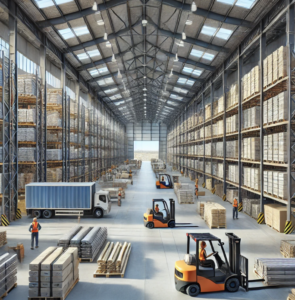
Construction schedules are built on sequencing. Concrete cannot pour before forms and rebar are ready. Drywall cannot hang before rough-ins pass inspection. Fixtures cannot install before finishes cure. A warehouse gives contractors a controlled environment to stage inventory so that the next phase is always supported, even when vendors ship early, late, or partially.

Instead of stacking sensitive materials on a muddy site and hoping nothing gets damaged, contractors can stage them off-site, then pull them in by floor, zone, or phase. This avoids clutter, reduces theft risk, and keeps crews focused on building rather than moving piles of materials around. When warehouse demand rises, it is often tied to the same forces shaping construction planning and industrial development, especially for logistics facilities and distribution growth. Warehouse demand trends coverage makes that connection clear.

Warehouses Protect Materials, Budgets, and Warranties 🔒

Construction materials are expensive, and many are fragile. Doors warp. Flooring scratches. HVAC equipment can be ruined by moisture. Electronics and controls are magnets for theft. A warehouse reduces exposure to weather, mishandling, and job-site traffic.

This is not just about replacing damaged product. It is about protecting warranty eligibility and avoiding the downtime that comes from reordering long-lead items. By storing materials in a controlled facility and releasing them only when the site is ready, contractors protect both quality and cash flow. That is one reason modern warehouse projects and logistics facilities continue to matter in the construction world, with ongoing coverage across major industry outlets like ENR’s warehouse projects page.

Just-in-Time Delivery Works Better with a Warehouse as the Buffer 🧱

Construction companies often aim for just-in-time delivery because job sites have limited space. The challenge is that “just in time” fails fast when shipping delays hit, when a vendor sends incomplete orders, or when inspections move the schedule by a week.

Warehousing companies act as the buffer that stabilizes the plan. Materials can arrive early to the warehouse, get checked and counted, and then be delivered in precise windows to match the superintendent’s schedule. That buffer reduces stoppages, keeps subcontractors from waiting, and prevents the domino effect of missed milestones.

This has become even more important as warehouse construction itself has evolved and demanded tighter coordination between design, delivery, and build teams, especially for high-performance logistics facilities. Construction Dive’s warehouse evolution coverage highlights how the complexity of these buildings raises the bar for coordination and execution.

Kitting and Sequencing Turn Deliveries Into Install-Ready Packages 🧰

A warehouse can do more than store pallets. Many warehousing partners provide kitting and sequencing, which means bundling materials into install-ready kits for specific crews, rooms, floors, or dates.

This approach reduces on-site handling and mistakes. It also makes labor more efficient. When an electrician receives a labeled kit for a specific area, time is not wasted hunting for parts or sorting boxes. The warehouse can also consolidate shipments from multiple vendors into a single delivery, cutting down on job-site traffic and reducing the chaos that slows crews down.

In large projects, that kind of precision becomes the difference between steady progress and constant rework.

Smarter Tracking and Documentation Reduce Disputes and Delays 📲

Materials tracking is not glamorous, but it saves real money. Missing deliveries create change orders, finger-pointing, and wasted hours. Warehousing companies often support the documentation process with receiving logs, inventory reports, chain-of-custody records, and proof-of-delivery discipline.

Construction industry coverage has noted the shift toward digital tracking for materials deliveries, which improves billing accuracy and reduces paperwork friction. ENR’s coverage on e-ticketing and materials tracking shows how the industry continues to modernize this part of the workflow.

When warehouse inventory and job-site consumption are connected through good tracking, contractors can forecast shortages sooner, reorder faster, and keep the schedule intact.

Warehousing Supports Prefabrication and Modular Strategies 🏗️➡️🏢

Prefabrication and modular construction depend on predictable logistics. Components need protected space before installation and must arrive in the correct sequence. Warehousing becomes the staging hub that supports off-site fabrication, quality checks, and coordinated delivery windows.

This is especially valuable in urban sites and active facilities where laydown space is limited. Warehousing also supports “night drop” strategies where materials are delivered during off-hours to reduce congestion and improve safety on the job site.

As the construction industry continues adapting to supply chain pressures, the concept of supply chain management stays central to how contractors plan procurement and delivery. Wikipedia’s overview of supply chain management provides a solid baseline for understanding why coordinated flow, storage, and timing matter.

Construction Sites Stay Safer and Cleaner with Off-Site Storage 🦺

Safety is directly tied to housekeeping. Crowded sites with materials stacked in pathways increase trip hazards, block access, and complicate emergency movement. Warehousing reduces clutter and keeps the job site aligned with safety standards and best practices.

It also reduces the number of trucks arriving unplanned. Fewer deliveries at random times means fewer conflicts with workers, equipment, and site access points. Controlled delivery windows create a calmer and safer environment.

This matters even more when major infrastructure projects reshape traffic patterns and logistics planning. Construction news coverage around large transportation projects often emphasizes logistics, staging, and long timelines. The Guardian’s reporting on the Lower Thames Crossing approval shows how scale and schedule turn logistics into a core success factor.

Warehouses Help Contractors Handle Long-Lead Items and Market Volatility 📈

Long-lead items are a defining challenge in modern construction. Switchgear, specialty glazing, custom millwork, mechanical equipment, and imported finishes can all create schedule risk. Warehousing allows contractors to receive these items when available, inspect them, store them securely, and release them when the site is ready.

That flexibility reduces the risk of being held hostage by a delivery date that does not match the build sequence. It also allows contractors to buy ahead when pricing is favorable or when availability is uncertain, without overcrowding the job site.

Reverse Logistics and Returns Keep Projects from Bleeding Time ♻️

Every project has wrong items, damaged shipments, overages, and packaging waste. Warehousing partners can support reverse logistics, including returns, exchanges, repackaging, and re-delivery. That saves time for site teams and keeps the project from stalling over small but frequent issues.

It also supports better closeout. Leftover materials can be consolidated, documented, returned where possible, or stored for warranty needs and future maintenance.

Conclusion ✅

Warehousing companies work closely with construction companies because building is not only a craft, it is a coordinated supply chain. Warehouses provide the staging, protection, sequencing, documentation, and delivery discipline that turn a messy flow of products into an orderly build plan. They help contractors keep sites safer, reduce material loss, improve labor efficiency, and absorb supply chain shocks without crushing the schedule.

When a project finishes strong, it is usually because the right partners handled the unseen work just as well as the visible work. Warehousing is one of those partnerships, and it continues to shape how modern construction succeeds. 🚀

Powered by WordPress & Theme by Anders Norén