
Category: Construction News Page 3 of 4

Why Construction Companies Should Invest in Concrete Plants (and Win the Next Decade) 🚧🏗️

Construction News for Concrete Plants

Concrete is the quiet giant behind skylines, highways, distribution centers, hospitals, and homes. If your firm pours the foundations of progress, you already know that concrete isn’t just another line item—it’s the heartbeat of schedule certainty, safety, and profitability. That’s why more contractors—especially those in heavy-civil, industrial, and large commercial—are choosing to invest in their own concrete plants (batch plants). This move isn’t about vanity or empire-building; it’s a strategic play to lock in quality, time, and cost advantages that ripple through every project you touch. Below, you’ll find a practical, ROI-focused case for owning a concrete plant, with real-world benefits you can bank on—even in a market where materials volatility and supply chain shocks are the new normal.

The Strategic Edge: Quality, Control, and Certainty

When concrete quality is non-negotiable, owning your batching operation delivers a decisive edge. With your own plant, you control mix designs, moisture correction, aggregate gradation, admixture dosing, and temperature management—every variable that determines strength, workability, finish, and durability. That control translates directly into fewer cylinder breaks, fewer callbacks, and fewer arguments over whose mix missed the mark. It also means concrete that’s optimized for each use case: fast-track slab pours, high-early-strength decks, low-shrinkage floors, SCC for tight congestion, mass pours with optimized heat of hydration—the works.

Control also eliminates the scheduling roulette that happens when you rely entirely on external suppliers. Instead of living with truck queues and ever-shifting delivery windows, your project managers orchestrate pours with your plant manager, aligning production rates to pour sequences, crew sizes, pump capacities, and crane picks. That kind of orchestration is how you turn “critical path” into “predictable path.”

A Real Business Case: Where the ROI Comes From

Owning a plant is a capital decision, not a hunch. The payback shows up in multiple places at once. First is cost per cubic yard. When you insource materials and batching, you take the producer margin back into your business—especially meaningful on high-volume programs or portfolios where concrete is a major cost driver. Second is schedule impact: earlier topping-out dates, fewer re-mobilizations, and less standby burn. Third is risk reduction: fewer rejected loads, fewer pour delays, and fewer change orders born from someone else’s supply shortfall.

The math is straightforward. Project the annual volume across your pipeline (yards per year), model variable and fixed costs (cement, SCMs, aggregate, admixtures, labor, power, maintenance, depreciation, financing), and compare against market pricing. Add conservative credits for schedule compression and reduced rework. Now stress-test against market volatility. Even in conservative scenarios, many contractors find that a plant pays for itself quickly—particularly if it supports multiple concurrent jobs or serves as a regional asset. Bonus: when volume exceeds internal demand, you can selectively sell into the market to keep utilization high and unit costs low.

Supply Chain Resilience in a Volatile Market

If the last few years taught us anything, it’s that construction materials are vulnerable to shocks. Cement allocations, trucking capacity, driver shortages, and energy price spikes can ambush a critical pour. Industry outlets have repeatedly documented materials swings and supply constraints that cascade through schedules and budgets. For context, see recent coverage from reputable construction news sources such as ENR’s materials volatility reporting, Construction Dive’s supply chain updates, and Dodge Construction Network’s market outlooks. Owning a plant doesn’t make macro risk disappear, but it gives you more levers—multiple cement suppliers, on-site silo capacity, strategic aggregate inventory, backup admixture lines, and flexible shift planning—to turn uncertainty into manageable variance. That’s the difference between hoping trucks arrive and ensuring you can pour.

Better Concrete, Fewer Problems: Quality as a Profit Center

Concrete quality issues are expensive, time-consuming, and reputation-damaging. A plant lets you build a quality system instead of reacting to quality incidents. Start with standardized trial batches and statistical process control; add real-time moisture probes, automated batching, and ticket-level traceability; close the loop with field data from breaks, surface finish observations, and placement challenges. Over time, your quality curve bends upward—less segregation, more consistent air content, tighter slumps, and mixes that finish the way your crews like. Fewer surprises in the mud means fewer surprises in the schedule.

Schedule Wins: From “Just-in-Time” to “Right-on-Time” ⏱️

Pours live and die on timing. Your plant can run night shifts to feed early morning placements, stagger truck dispatch for long-line slab pours, and crank output when there’s a rare forecast window between storms. That adaptability unlocks cleaner pours and less bleed water trouble. It also helps you sequence multiple jobs without cannibalizing crews. Because your plant can flex production around your crews—not the other way around—you reduce idle time and overtime. The result: more work put-in-place per labor hour.

Sustainability That Actually Helps Your Schedule (and Budget) 🌱

Sustainability isn’t a box-check anymore; owners increasingly demand low-carbon strategies, and concrete is Exhibit A. A plant lets you design greener mixes that still perform: higher replacement rates of portland cement with fly ash, slag, or calcined clays; optimized aggregate packing; and admixture strategies that tune setting time and early strength. You can run temperature-managed mixes for mass pours, reduce cement content while maintaining compressive strength via better gradation control, and recover returned concrete responsibly. The win is holistic—lower embodied carbon, better finishability, fewer hot loads, and tighter control of temperature rise and cracking risk. Sustainability that pays for itself is an easy sell to owners.

Technology and Automation: Precision You Can Feel

Modern batching systems are marvels of automation. Load cells, moisture sensors, high-resolution meters, and PLC-controlled batching produce consistent mixes at speed. Ticketing systems integrate with your ERP for cost tracking and job costing. Telematics on your fleet reveals cycle times, drum revolutions, and slump management at the point of delivery. With the right setup, your project teams know exactly what’s coming, when it leaves the yard, and how it’s performing on arrival. Precision isn’t a buzzword; it’s fewer rejected loads, faster placements, and happier finishers.

Vertical Integration: Win More Work, Keep More Margin

Developers, DOTs, and industrial owners notice when a contractor can guarantee their own concrete supply. It signals capability and reduces the owner’s risk. In competitive bid environments, that can translate into better prequalification, stronger best-value narratives, and cleaner risk registers. On negotiated and design-build work, it means you can commit to aggressive phasing and milestone dates with credibility. Vertical integration also opens adjacent revenue streams—value-engineering mix designs, offering thermal control plans for mass concrete, or providing SCC solutions for complex reinforcement. When your proposals come with supply certainty, you aren’t just another bidder—you’re the safe pair of hands.

Mobile vs. Stationary: Choose the Right Plant for Your Pipeline

The right plant depends on your project profile. If you pursue linear infrastructure, wind farms, or large-site industrials, a mobile or portable plant may be ideal—set it up near the work, minimize haul distances, and tear it down when the program ends. If you operate regionally with steady commercial or public work, a stationary central-mix plant can anchor your operations with higher throughput and a more robust quality lab. Some firms run a hybrid model: a regional fixed plant for baseload demand, plus a portable unit for surge capacity or remote jobs. Align the plant type with your expected yardage, logistical radius, and crew availability to avoid under- or over-building.

Risk, Permitting, and Compliance: Tackle the Hard Parts Upfront 🧭

A plant is an industrial operation; plan accordingly. Zoning and land use approvals, air permits for cement silos, stormwater management, traffic impact, noise, and dust control are table stakes. Build a permitting checklist early, engage local authorities, and demonstrate best practices—enclosed conveyors, baghouse maintenance, wheel-wash stations, and paved yards all matter. On the operations side, invest in safety from day one: guarding on moving equipment, confined-space protocols in drums and silos, rigorous lockout/tagout, and operator training that treats the batch plant like the powerhouse it is. The reward for getting this right is a smooth launch and a reputation as a well-run neighbor.

People and Process: Your Plant Is a Team Sport

The best plants aren’t just steel and silos—they’re disciplined teams. Hire or upskill a plant manager who owns quality and uptime. Cross-train batch operators and drivers. Create daily production huddles with superintendents to align pour sequences. Build a simple KPI dashboard—yards produced, rejects, on-time departures, average slump deviation, and mechanical availability—and review it weekly. When operations are transparent and data-driven, you fix bottlenecks fast and keep utilization high. Add a robust maintenance plan so your plant is ready when the weather window opens.

Financing and Phasing: How to Start Without Overshooting

You don’t have to go from zero to mega-plant on day one. Many contractors phase in with a portable plant aligned to a single high-volume program, then scale into a permanent facility once volume is proven. Lease-to-own structures, vendor financing for automation packages, and staged equipment purchases (start with two silos, expand to four) can smooth cash flow. If you have strategic partners—ready-mix producers, aggregate suppliers, or admixture companies—consider joint-venture arrangements that align incentives and reduce capital risk. The end game is the same: capacity that matches your pipeline, not a monument to overreach.

What Owners Notice (and Why You’ll Win More) 🏅

Owners are buying results: quality concrete in the right place at the right time. When you own the plant, you present a de-risked plan. You can commit to night pours without begging for slots, demonstrate redundancy across cement suppliers, and backstop weather disruptions with flexible production. Bring data to the table—historic break curves, temperature monitoring logs, and dispatch metrics—and you’ll separate yourself from competitors who rely on hope and generous float. In public and private selection meetings, certainty sells.

The Market Context: Plan for Cycles, Not Headlines

Construction isn’t a straight line; it’s a series of cycles. Firms that outperform don’t chase headlines—they build durable advantages. If you watch industry news, you’ll see recurring themes across the last few years: materials price movement, logistics tightness, and shifting demand between sectors. Staying plugged in helps you adapt your plant strategy. For ongoing, data-rich context, outlets like ENR, Construction Dive, Dodge Construction Network, and The Construction Index regularly cover trends that affect concrete demand, pricing, and production. Use that intelligence to forecast volume, time expansions, and negotiate supply.

Quick Checklist Before You Pull the Trigger

Think of this as your de-risking preflight. Validate yardage across your next 18–36 months. Map haul radii and traffic patterns. Line up at least two cement sources and secure aggregate contracts with indexed pricing. Specify automation that fits your quality plan, not just a catalog. Lock down permitting with an experienced consultant. Staff a plant manager early and cross-train dispatch with field ops. Create a spare parts inventory and preventive maintenance calendar. Pilot mixes on low-risk placements before your first critical pour. And yes—make the spreadsheet sing, but let your superintendents and finishers sanity-check the assumptions. If they believe in the plan, you’ll execute.

Conclusion: Own the Pour, Own the Outcome 💪

For construction companies that live or die by schedule and quality, investing in concrete plants isn’t just a cost decision—it’s a control decision. It gives you a lever over the three things owners value most: certainty, speed, and performance. When you run your own plant, you stop hoping concrete shows up and start deciding how and when it does. You cut the noise, reduce risk, and make promises you can keep. In a market defined by volatility, that’s competitive armor you can wear on every job.

If you’re serious about winning the next decade—not just the next bid—own the pour. Your crews will feel the difference, your clients will see it in the schedule, and your P&L will show it in black and white. 🏁

Why Every Construction Company Needs Scaffolding Tools 🏗️

Construction News for Scaffolding Tools

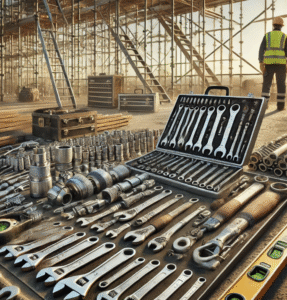
In the construction industry, safety, efficiency, and productivity are everything. Whether you’re working on a small residential project or a massive commercial build, the right scaffolding tools aren’t just helpful — they’re essential. These tools are the backbone of modern construction sites, allowing workers to reach heights safely, handle materials effectively, and get the job done faster without compromising safety or quality.

With tighter deadlines, stricter safety regulations, and increasing competition, every construction company needs scaffolding tools to stay ahead. Let’s dive into why they’re non-negotiable for your business’s success.


Safety First: Protecting Workers and Avoiding Liability

Construction sites are high-risk environments, and scaffolding accidents are among the most common causes of workplace injuries. Investing in proper scaffolding tools drastically reduces these risks. Secure platforms, sturdy supports, and reliable connectors allow workers to operate at elevated heights without constantly worrying about falls or unstable footing.

Using high-quality scaffolding tools also ensures compliance with OSHA regulations and other safety standards, protecting both your crew and your company from potential lawsuits and fines. Safety should never be an afterthought — it’s the foundation of every successful build.

For more updates on safety regulations and compliance requirements, check out Construction Dive.


Maximizing Productivity on the Job Site 🚀

In construction, time is money. The longer a project takes, the more it costs. Scaffolding tools make projects faster and more efficient by:

  • Providing secure access to hard-to-reach areas.

  • Supporting workers and materials without slowing progress.

  • Allowing multiple trades to work simultaneously at different levels.

Instead of improvising with ladders and temporary fixes, scaffolding tools create structured, stable platforms. Workers can move freely, transport materials efficiently, and complete tasks with less downtime. The result? Projects finish on schedule — or even ahead of it — boosting your reputation and profitability.


Versatility Across Different Project Types

Whether you’re handling residential renovations, commercial developments, or industrial builds, scaffolding tools adapt to any environment. From simple single-level platforms to complex multi-tier systems, scaffolding can be configured to fit the needs of every project.

For example:

  • Residential Construction: Supports siding installation, roof repairs, and painting.

  • Commercial Projects: Enables glass panel installation, façade work, and high-ceiling interiors.

  • Industrial Sites: Handles heavy-duty loads and accommodates specialized tasks at significant heights.

This adaptability makes scaffolding tools an investment rather than an expense. No matter the project scope, you’ll always have the right solution at hand.


Meeting Deadlines Without Cutting Corners

Clients demand results — and they want them fast. Scaffolding tools help construction companies meet tight deadlines without compromising safety or quality. Because these tools allow multiple workers to operate simultaneously and access all levels of the site efficiently, teams can tackle more tasks in less time.

This speed can also give you a competitive edge when bidding on contracts. When you demonstrate that your company has the right scaffolding setup to deliver results quickly and safely, you’ll stand out from competitors who are still relying on outdated methods.

Stay on top of industry trends and innovations that influence timelines by checking Engineering News-Record.


Enhancing Worker Confidence and Morale 💪

There’s no denying it: workers perform better when they feel safe. High-quality scaffolding tools create secure, reliable platforms that reduce anxiety and build trust on the job site.

When workers know they’re supported by strong, stable equipment, they can focus fully on their craft rather than worrying about potential hazards. Happier, more confident crews are also more productive and less prone to mistakes — meaning better results for your clients and fewer headaches for your company.


Cost Savings Through Efficiency and Longevity

Scaffolding tools are a long-term investment that pays off in multiple ways:

  1. Reduced Downtime – Fewer accidents and faster setups keep projects moving.

  2. Lower Labor Costs – Efficient scaffolding reduces the number of hours needed to complete tasks.

  3. Reusable Equipment – High-quality scaffolding systems can be used across multiple projects, saving money over time.

By focusing on efficiency and safety, scaffolding tools ultimately save construction companies thousands — sometimes even millions — in potential delays, penalties, and insurance claims.

For insights on construction cost management, visit Construction Executive.


Compliance and Reputation Go Hand in Hand

In today’s construction landscape, reputation is everything. Companies that prioritize worker safety and meet regulatory standards consistently win more bids and earn stronger client trust.

Investing in scaffolding tools shows clients, employees, and regulators that your company is committed to doing the job right. It positions you as a responsible, forward-thinking contractor who values both quality and safety — a combination that sets you apart in a crowded market.


Future-Proofing Your Business 🏗️

Construction technology is evolving rapidly, and scaffolding tools are no exception. From modular systems that can be assembled in record time to platforms designed for integration with drones and robotics, the future of scaffolding is innovative and efficient.

By upgrading your equipment now, you’re preparing your company to take advantage of new trends and technologies before your competitors do. The construction industry is moving fast — don’t get left behind.


Conclusion: Build Smarter, Safer, and Faster

Every construction company — no matter its size or specialty — needs scaffolding tools to succeed in today’s competitive market. They improve safety, maximize efficiency, boost worker confidence, and enhance your reputation while saving time and money.

If your company isn’t leveraging the power of modern scaffolding tools yet, now is the time to start. Equip your team with the right tools, and you’ll not only meet your clients’ expectations but exceed them — project after project.

The right scaffolding doesn’t just elevate workers; it elevates your entire business. 🚧

Revving Up Value: Why Construction Companies Need an Online Car Appraisal

Construction News for Car Appraisal Online

In the fast-paced world of construction, efficiency, accuracy, and strategic asset management are crucial for staying competitive. From heavy-duty trucks that haul materials to service vans navigating tight job sites, construction companies rely heavily on their vehicle fleets. But whether you’re looking to buy, sell, replace, or insure your fleet assets, knowing the true value of your vehicles is essential. Enter the world of Online Car Appraisal. In this blog post, we’ll explore why construction companies should embrace this powerful tool, how it benefits operations, and what to look for when choosing a reputable online appraisal service. Let’s hit the road!


The Backbone of Fleet Management

Managing a fleet isn’t just about keeping vehicles running—it’s about understanding their financial implications. Heavy equipment and fleet vehicles represent a significant capital investment. Yet, their depreciation, wear and tear, and variable usage can make accurate valuation a challenge. An online car appraisal solves this by delivering quick, data-driven insights into current market value, based on make, model, year, mileage, and condition. Whether you’re dealing with dozers or dump trucks, knowing what you own helps guide strategy across the board.


Why Construction Companies Need Online Car Appraisal

1. Optimize Fleet Replacement Strategy

Whether you’re swapping out a tired old service van or upgrading earth-moving machinery, you want to make the most cost-effective replacement decisions. Accurate appraisals reveal the trade-in or resale value of your current assets, helping you time purchases to minimize depreciation losses and maximize return on investment. Plus, real-time data means you’re not relying on outdated blue book tables—your decisions are informed by current market dynamics.

2. Streamline Insurance Claims and Coverage

In the construction world, unexpected damage is part of the job—from collisions on busy sites to theft of equipment. When filing insurance claims, insurers require detailed, verifiable vehicle valuations. An online appraisal report provides this in seconds—ensuring you’re covered adequately and your claims are backed by objective, up-to-date data rather than memory or guesswork.

3. Accurate Reporting for Accounting & Asset Management

Construction companies often work on tight budgets and operate on complex accounting systems with layered depreciation schedules. Having accurate appraisals supports bookkeeping, fixed asset tracking, and audit-readiness. By integrating online appraisal data into your asset management software, you gain clarity on depreciation, write-offs, capital gains, and insurance requirements—keeping your ledgers tidy and your CFO smiling.

4. Simplified Sales & Disposition

Vehicles—especially used or aging ones—sometimes clog the yard. Selling or auctioning off older units requires knowing what price to list them for. Overpriced assets sit idle; underpriced ones bleed profits. An online car appraisal helps you pinpoint market value, set realistic expectations, and negotiate better deals online or at auction.

5. Informed Purchasing and Budget Planning

When adding new vehicles or upgrading equipment, knowing the value of existing assets helps with swap deals, trade-ins, or cash budgeting. An online valuation gives you a line item to factor into purchasing budgets—and makes discussions with vendors clearer, whether negotiating discounts, financing terms, or trade-in allowances.

6. Faster Decision-making, Fewer Headaches

Waiting days or weeks for physical inspections and estimates can stall fleet decisions. An online tool delivers instant appraisal reports, enabling rapid responses to repair bids, buyout offers, or asset allocation shifts. For busy construction managers, that speed can make all the difference during project crunch times.


What to Look for in an Online Car Appraisal Service

When choosing an online appraisal provider, construction companies should look for:

  • Comprehensive Data Sources: Opt for providers that pull from auction results, dealer trades, and verified private sales—ensuring appraisals reflect real-world prices.

  • Vehicle-Specific Reporting: Some services are tailored to passenger cars—not heavy-duty or light-duty trucks. Make sure your provider supports your fleet types.

  • Transparent Methodology: You want clarity on how values are calculated—so you can justify them to auditors or insurers.

  • Mobile-Friendly Access: Construction sites rarely have dedicated office workstations. A mobile-optimized platform enables on-site managers to pull valuations instantly.

  • Integration Capabilities: The best tools offer API access or CSV exports that tie directly into fleet management or accounting systems, eliminating data re-entry.


Real-World Example: A Construction Firm in Action

Imagine StoneBridge Builders, a mid-sized firm in Orlando. They need to replace three 2015 service trucks. Rather than rely on gut feel, their fleet manager uses an online appraisal tool on their phone right after dinner. In two minutes, they generate valuation reports for each vehicle.

One truck appraises higher than expected due to low mileage—making it a great candidate for trade-in with a vendor. Another shows significant depreciation due to heavy-duty use—so they decide to sell it outright and reinvest the proceeds into a newer model with lower maintenance costs. The final truck surprisingly fetches a low value, prompting them to keep it in rotation until demand rises again—maximizing its utility before disposition.

Suddenly, decisions are backed by data, and the CFO gets an accurate asset valuation for accounting and tax purposes—all without disrupting the construction schedule.


Insights & Resources

For company leaders looking to stay ahead in construction, these resources are must-reads:


Getting Started: Best Practices for Implementation

  1. Pilot Test a Few Vehicles: Choose a representative sample (e.g., one truck, one van, one skid loader) and run appraisals to assess accuracy and reporting quality.

  2. Train Your Team: Host a quick walkthrough with site supervisors and finance staff—show them how to input vehicle data and interpret reports.

  3. Integrate with Asset Systems: If you use fleet or accounting software, consider syncing valuation data directly to avoid manual entry.

  4. Schedule Regular Appraisal Intervals: Valuations change—schedule quarterly or semiannual appraisals for depreciation tracking and budget planning.

  5. Use Reports in Stakeholder Discussions: When negotiating trade-ins, insurance renewals, or audit reviews, back your decisions with official appraisal documents.


Conclusion

In the construction industry, where every vehicle is a workhorse and every dollar counts, relying on guesswork or outdated valuation methods places your operation at a disadvantage. A Car Appraisal Online is more than just a number—it’s a strategic asset. It delivers speed, accuracy, and transparency to fleet management, insurance claims, accounting, and purchasing decisions.

Whether you’re a small outfit or a large-scale operation, integrating online vehicle appraisals offers invaluable clarity—helping you maximize resale value, minimize depreciation losses, streamline insurance processes, and make smarter fleet investments. So highlight your tires, press that “Get Value” button, and drive your construction business forward with confidence!

Tower Speakers on the Jobsite: The Overlooked Investment That Makes Construction Safer, Faster, and More Profitable 🔊🏗️

Construction News for Tower Speakers

Clear communication is the backbone of every successful build. When crews can hear—and actually understand—what’s being said across a noisy, sprawling jobsite, work flows, hazards shrink, and schedules hold. That’s why more contractors are looking beyond handhelds and personal devices to a simple, high-impact upgrade: tower speakers (column/line-array PA speakers) designed to push intelligible sound where it’s needed, when it’s needed. Below, you’ll see how this one investment turns chaos into clarity—boosting safety, productivity, and morale—all while paying for itself in time saved and risks avoided. 💪

What Tower Speakers Do That Other Options Don’t

Jobsites are big, loud, and forever changing. Portable “party” speakers and scattered phone calls can’t reliably cover a multi-acre site with cranes, earthmovers, and multiple trades working simultaneously. Tower speakers (sometimes called column arrays) project voice-focused audio in a narrow, controlled pattern—so instructions, alerts, and schedule updates carry farther with fewer echoes. Instead of repeating yourself to each crew (or hoping a text gets read), one announcement reaches everyone in seconds. That’s the difference between “we’ll see if people got the memo” and “everyone heard it; now let’s go.” 🔁➡️✅

Just as important: wide, even dispersion at ear level means fewer “hot spots” and dead zones. When you can place two or three tower speakers strategically—at site entries, near lifts, and at staging areas—you create reliable coverage that scales with the project. The result is fewer miscommunications and far less time spent corralling people for toolbox talks, inspections, deliveries, or weather holds.

Safety First: Faster Alerts, Fewer Incidents

A major driver for tower speakers is safety communication. From heat advisories and lightning warnings to evacuation drills and real emergencies, fast and intelligible voice alerts reduce confusion in the moment that matters. Recent safety coverage has underscored how information gaps—especially during extreme heat—contribute to underreported incidents and preventable harm. A site-wide PA cuts through noise and language barriers with live or pre-recorded messages that everyone can hear right away, not just the person staring at a phone. Engineering News-Record

Safety editors and reporters continue to spotlight the tech that helps contractors detect hazards and coordinate responses—wearables, sensors, drones, and AI monitoring among them. Those tools are strongest when paired with a way to reach workers instantly and clearly. Tower speakers are the “last mile” of safety tech—turning a detection or supervisor decision into a heard, understood directive for the entire site. Construction DiveEngineering News-Record

Meanwhile, year-over-year lists of the most common violations (like fall protection) point back to the basics: frequent, consistent reminders and on-the-spot coaching. A PA makes short, high-frequency reinforcement possible without stopping work—think “tie-off check at the scaffold stair,” “spotter in place before reversing,” or “call out overhead load.” These micro-nudges add up to fewer near misses and better compliance. Builder Magazine

Productivity and Coordination: The Seconds You Save Become Days

Every superintendent knows what ten minutes of confusion costs when multiple trades are waiting on an answer, a delivery, or a crane window. Multiply that by dozens of moments a week and the dollars stack up. Field reporting has also called out how language gaps and fragmented comms create sneaky, persistent slowdowns—schedule slip, rework, and quality drift. Tower speakers let you deliver short, site-wide directions in plain language (and, when needed, multiple languages) at the exact moment they’re needed: “Panel crew shift to Grid C,” “Concrete trucks 3 and 4 hold at Gate 2,” “Toolbox talk in five.” That keeps everyone literally on the same page. Builder Magazine

There’s another practical angle: relying on personal cell phones for coordination isn’t just distracting—it’s been widely criticized by construction pros for hurting productivity and situational awareness. A central PA reduces the need for constant phone checks and makes it clear when a message is “for everyone, right now.” Construction Dive

Loud… But Safer: Hearing, Directionality, and Clarity

The goal is intelligibility, not just volume. In noisy environments, it’s easier (and safer) to understand a focused voice announcement than to decipher muffled chatter through ear defenders or the blare of a dozen small speakers. Industry coverage of jobsite communication solutions stresses hands-free clarity and maintaining situational awareness—workers should hear instructions without pulling off hearing protection or staring at a screen. A well-placed tower speaker array does exactly that: it concentrates speech frequencies and can be calibrated to be heard over ambient noise without blasting the entire neighborhood. Equipment World+1

Even product roundups from construction media highlight rugged audio gear with dust and water resistance (IP ratings), roll cages, and impact-resistant grills—clues to what lasts in the field. While those pieces often focus on individual devices, the same durability mindset applies to site-wide speakers and stands: you want equipment built to survive wind, dust, drizzle, and the occasional bump from a skid steer. For Construction Pros

Real-World Use Cases That Pay Off Fast

Daily stand-ups and toolbox talks that start on time. With a quick chime and a clear announcement, you’ll assemble crews faster and finish briefings without chasing people across the site.

Dynamic tasking when plans change. Steel delivery is early? Move the lift plan up and notify everyone immediately. Weather cell moving in? Issue an orderly pause and restart in minutes—not an hour of mixed messages.

Emergency drills and muster. Pre-recorded bilingual muster messages keep drills consistent and faster to execute.

Visitor and vendor control. Remind drivers of gate protocols or speed limits as they enter; direct deliveries to the right laydown area without clogging radios.

Community relations. Instead of blasting music from every corner, use a few well-aimed tower speakers for scheduled announcements and keep noise spill outside the fence to a minimum.

The ROI: Time, Risk, and Reputation

Think of the ROI in three buckets:

Time. If a 60-person site saves even 10 minutes per day in “herding cats,” you’re reclaiming five crew-hours daily. Over a month, that’s more than a full crew-week. Those minutes often vanish into “we were waiting to find out…”—a PA prevents that.

Risk. Clear, consistent announcements reduce near misses and reinforce life-saving rules. Editorial data around jobsite risks—from heat to falls—makes it clear that communication is a key control. Fewer incidents protect people and budgets. Engineering News-RecordBuilder Magazine

Reputation. Smooth, audible coordination impresses owners, inspectors, and neighbors. When stakeholders see order instead of chaos, confidence in your team rises—helping you win the next bid.

How to Implement Tower Speakers on Your Next Project

Start with a coverage map. Walk the site at different times of day and mark high-noise and high-traffic zones. Plan for two to four tower speakers for a mid-size project, placed at entries, main circulation paths, and staging areas.

Prioritize intelligibility. Choose models known for speech clarity, not just wattage. Test announcements during peak activity to set baseline volume and direction.

Integrate with what you already use. Whether your team uses radios, tablets, or safety wearables, tie your alert workflows together so one event can trigger a sitewide message where appropriate. Construction news outlets continue to emphasize multi-tech safety stacks; your PA is the broadcast layer that activates people. Construction DiveEngineering News-Record

Create a message library. Pre-record common alerts (weather, muster, deliveries, crane moves) in the languages used on site so supervisors can trigger them instantly, then follow with live clarifications.

Measure and iterate. Track start times for stand-ups, average response to alerts, and the frequency of “where should I be?” radio calls. You’ll quickly see the lift.

Bridge Language and Attention Gaps—Proactively

Construction news coverage has called out how language gaps quietly drain productivity and elevate risk. A PA lets you address this respectfully and effectively: deliver short, bilingual instructions for high-risk tasks and critical schedule changes. Pair your messages with visual signage and consistent hand signals to reinforce comprehension without singling anyone out. The key is to make the right behavior the easy, obvious choice—no phone digging required. Builder Magazine

Complementary Tech: Headsets, Wearables, and AI—All Stronger with a PA

You don’t have to choose between radios, headsets, or speakers. In fact, industry reporting shows the best results come from layered systems: wearables and AI help detect hazards, headsets help small groups coordinate hands-free, and tower speakers ensure site-wide instructions land immediately and unambiguously. That orchestration is what moves the needle on both safety and schedule. Construction DiveEquipment World

Procurement Tips for Construction-Grade Tower Speakers

Look for ruggedization (impact-resistant frames, weather-resistant grills), stable stands or mounts, quick-connect cabling, and battery or generator flexibility. Confirm speech-focused frequency response and horizontal/vertical dispersion specs suited to open air. Finally, plan storage and protection for off hours—treat your speakers like the job-critical tools they are. Trade media product features and roundups are useful guides to durability priorities in construction audio gear. For Construction Pros

Conclusion: A Small Line Item with Outsized Impact 🎯

For all the sophisticated tech reshaping construction, the most game-changing tool on your next job might be a straightforward one: a handful of tower speakers and a plan for using them. They cut through noise—literal and organizational—to keep crews aligned, hazards communicated, and schedules intact. Construction news continues to highlight safety tech, communication gaps, and the need for real-time coordination; a site-wide PA is the practical, proven way to turn that insight into action. Invest once, deploy everywhere, and hear the difference in safer work, smoother days, and projects that finish proud and on time. Construction DiveEngineering News-RecordBuilder Magazine


Authority reads cited (construction news)

Building Better Leaders: Why Construction Companies Need Executive Coaching to Thrive 🏗️

Construction News for Executive Coaching

The construction industry is the backbone of modern civilization—laying the foundations for everything from homes and hospitals to bridges and skyscrapers. But while equipment, materials, and skilled labor are essential, the true driver of success in any construction company is leadership. Executive coaching is no longer a luxury reserved for Fortune 500 CEOs. It has become a vital tool for growth, clarity, and resilience in an increasingly complex construction landscape.

Construction executives and project leaders are juggling ever-growing challenges: rising costs, labor shortages, regulatory hurdles, technological disruption, and fierce competition. With so many pressures, the ability to lead effectively can’t be left to chance. That’s where executive coaching steps in.

Let’s explore why construction companies—from local contractors to national firms—need executive coaching now more than ever.


1. Executive Coaching Builds Stronger Leaders in a Demanding Industry 💼

Construction leaders often rise through the ranks due to technical expertise—not leadership training. That’s a double-edged sword. While hands-on experience is invaluable, leading people, managing teams, and growing a company require an entirely different skill set.

Executive coaching helps construction executives:

  • Communicate with clarity and authority

  • Develop emotional intelligence

  • Navigate difficult personnel or client issues

  • Make confident strategic decisions

  • Manage time, stress, and priorities effectively

According to the Harvard Business Review, coaching helps leaders shift from being problem-solvers to empowering others—unlocking performance across the organization.


2. Coaching Enhances Project Management and On-Site Performance 🏗️

In construction, timelines and budgets are sacred. Poor leadership at the executive level often trickles down into jobsite inefficiencies, delays, and cost overruns. When executives are coached to lead with purpose and precision, it positively impacts every project.

Coaches work with leaders to:

  • Improve collaboration between departments

  • Set realistic goals and hold teams accountable

  • Create a positive safety culture

  • Encourage adaptability in changing project conditions

The Project Management Institute (PMI) highlights that organizations with effective leadership practices are more likely to complete projects on time and within scope.


3. The Construction Workforce Is Changing—So Must Leadership 👷‍♀️👷‍♂️

Today’s construction workforce is multigenerational and increasingly diverse. Millennials and Gen Z workers bring new expectations for transparency, purpose, and mentorship. Traditional command-and-control leadership styles no longer cut it.

Executive coaching helps senior leaders:

  • Bridge generational communication gaps

  • Build inclusive and collaborative environments

  • Inspire loyalty in an industry known for high turnover

According to Gallup, younger employees are more engaged when they have managers who act like coaches rather than bosses.


4. Coaching Supports Mental Health and Resilience in a High-Stress Field 🧠

Construction executives face relentless pressure—tight margins, legal risks, economic volatility, and the ever-present risk of injury or failure. This takes a toll on mental well-being. Left unaddressed, burnout and poor decision-making can follow.

Executive coaching offers:

  • Tools for stress management and emotional regulation

  • Space to process challenges confidentially

  • Strategies for work-life balance and wellness

With suicide rates significantly higher in construction than in other industries, investing in leadership coaching is also an investment in mental health and life-saving awareness.


5. Succession Planning and Growth Demand Stronger Leaders 🌱

Whether you’re running a local concrete business or overseeing a regional construction firm, growth depends on developing new leaders. Many construction companies face succession challenges—especially when ownership stays in the family.

Executive coaching can:

  • Prepare mid-level managers to step into leadership

  • Help founders transition power smoothly

  • Ensure the company’s values and vision stay intact

The Family Business Institute notes that only 30% of family-owned construction companies survive into the second generation. Coaching increases those odds by preparing new leaders with the tools they need to succeed.


6. Coaching Improves Profitability and Decision-Making 📈

Poor leadership decisions can cost construction companies millions. Whether it’s chasing the wrong contracts, failing to mitigate risk, or ignoring technological change, the consequences are steep.

Executive coaching:

  • Enhances decision-making frameworks

  • Reduces impulsive or emotional choices

  • Encourages long-term strategic thinking

  • Helps owners prioritize high-impact goals

According to the International Coaching Federation (ICF), 86% of companies that use coaching recoup their investment—and more. Leadership clarity pays off.


7. Coaching Helps Embrace New Technology and Innovation 💡

The construction industry is experiencing a digital transformation. Drones, BIM (Building Information Modeling), AI-driven estimating tools, and smart project management platforms are becoming the norm. But technology adoption is still lagging in many firms.

Leadership coaching helps construction executives:

  • Overcome resistance to change

  • Understand how to integrate new tools strategically

  • Lead cultural shifts around innovation

McKinsey & Company reports that construction is among the least digitized industries, despite the opportunity for massive productivity gains. Coaching gives leaders the mindset to lead digital change.


8. It Elevates the Company Brand and Client Relationships 🤝

Construction leaders are more than just operators—they’re ambassadors. How they carry themselves, speak with clients, and represent the brand can influence whether a firm wins a bid or gets referred for future work.

Executive coaching helps refine:

  • Public speaking and networking confidence

  • Negotiation and sales conversations

  • Personal branding and visibility

Clients notice leadership. In fact, executive presence can be the X-factor that turns a competitive estimate into a closed contract.


9. Navigating Industry Challenges Requires Agility and Vision 🧭

The construction industry faces mounting headwinds:

  • Inflation and material shortages

  • Skilled labor crises

  • Environmental and sustainability pressures

  • Regulatory compliance burdens

In this landscape, executives need agility, not rigidity. Coaching provides a reflective space to think big, act boldly, and course-correct when needed.

Coaches help executives:

  • Pivot during market shifts

  • Reframe obstacles into opportunities

  • Create action plans aligned with values and goals

Leaders who embrace coaching are more prepared for uncertainty—because they’ve already practiced leading with clarity under pressure.


10. It’s Not About Fixing Leaders—It’s About Elevating Them 🔝

One of the biggest misconceptions is that executive coaching is for “broken” leaders. The truth? It’s for ambitious leaders who want to go from good to great.

Construction is a people business at its core. Machines, tools, and blueprints matter—but people bring it to life. Coaching sharpens the human edge of leadership.

By investing in executive coaching, construction companies declare:

“We believe in our leaders. We believe in our future. And we’re building it with intention.”


Conclusion: Building Leaders Builds Legacies 🏆

Steel, concrete, and cranes can only take a construction company so far. It’s the vision, wisdom, and heart of leadership that turns a firm into a force. Executive coaching is a powerful tool for helping construction companies not just survive, but thrive in an era that demands more of leaders than ever before.

Whether it’s to drive innovation, improve project outcomes, attract and retain top talent, or prepare for ownership transition, coaching delivers clarity where it counts most—in the boardroom, on the jobsite, and in the mind of the leader.

Want to build something that lasts? Start with the foundation of leadership. Start with executive coaching.

🛠️ Because when your leadership is solid, everything else aligns.

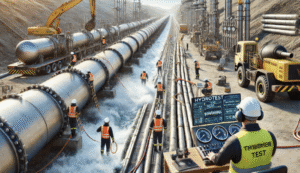
How Hydrotest Pipeline Construction Works: A Deep Dive into Critical Infrastructure Safety 🛠️💧

Construction News for Hydrotest Pipeline

Hydrotest pipeline construction is an essential process in the development and maintenance of pipeline systems that transport liquids such as water, oil, and gas. Before a pipeline can go live, it must undergo rigorous testing to ensure its integrity, safety, and compliance with regulatory standards. This crucial procedure, known as hydrostatic testing, uses pressurized water to validate a pipeline’s structural soundness under conditions that exceed its normal operating pressures.

Whether you’re a stakeholder in the energy sector, a contractor working in infrastructure, or simply someone curious about how massive pipeline projects get approved for safe operation, understanding the hydrotest construction process is key. This article breaks down the step-by-step stages, safety measures, equipment used, and regulatory expectations in hydrotest pipeline construction.


What Is Hydrostatic Testing?

Hydrostatic testing (commonly referred to as hydrotesting) is the process of filling a pipeline with water and pressurizing it to check for leaks, structural weaknesses, or material defects. It’s a form of non-destructive testing (NDT) that helps verify the durability and reliability of the pipeline before it’s put into service.

Unlike air or gas, water is largely incompressible. This makes it a safer testing medium since it won’t expand explosively in the event of failure. Hydrotesting mimics real-world operating conditions and gives engineers valuable insight into a pipeline’s performance under stress.

For a deeper understanding of hydrotesting as a safety measure, you can explore guidance from PHMSA (Pipeline and Hazardous Materials Safety Administration) 🌐.


Pre-Construction Considerations 🚧

Before hydrotest construction begins, several factors must be addressed:

1. Pipeline Design Specifications
Engineers must calculate the pipeline’s maximum allowable operating pressure (MAOP), material yield strength, and determine the proper test pressure. Typically, the hydrotest pressure is set at 1.25 to 1.5 times the MAOP.

2. Regulatory Compliance
Compliance with local, national, and international standards is crucial. In the U.S., this includes requirements from the American Society of Mechanical Engineers (ASME) and DOT regulations.

3. Environmental Impact Studies
Water sourcing, waste disposal, and the potential for soil contamination must be assessed and permitted through agencies such as the EPA to protect surrounding ecosystems 🌱.


Step-by-Step Process of Hydrotest Pipeline Construction 🛠️

Step 1: Pipeline Fabrication and Installation
Before testing, the pipeline is constructed using welding or mechanical joining techniques. Welding undergoes X-ray or ultrasonic inspection to detect flaws. Once complete, the pipeline is buried or laid in place, following precise engineering blueprints.

Step 2: Pipeline Cleaning
Any debris, welding residue, or foreign material must be removed using pipeline pigs (devices that travel inside the pipe). These cleaning pigs ensure a smooth and clean interior surface, which is critical for an accurate hydrotest.

Step 3: Water Sourcing and Filling
Water is typically sourced from nearby rivers, lakes, or water trucks. It must be filtered to remove particulates that could skew the test results. The pipeline is then slowly filled to prevent water hammer or pressure spikes.

Step 4: Pressurization
A high-pressure pump is used to raise the internal water pressure to the designated test level—usually 125% of MAOP. Pressure gauges are installed at multiple points to monitor consistency throughout the line.

Step 5: Pressure Holding Period
The pressure is maintained for a predetermined period, often ranging from 4 to 24 hours. During this time, engineers check for pressure drops or visible leaks along the pipeline.

Step 6: Visual Inspection and Monitoring
Technicians walk or fly drones along the pipeline route to inspect for leaks. Leaks are often indicated by wet ground, pooling water, or decreased pressure on gauges.

Step 7: Draining and Drying
Once the test is successful, the water is safely drained and treated according to environmental standards. The pipeline is then dried using air pigs or vacuum systems to remove moisture.

Step 8: Documentation and Certification
All results are documented, including pressure readings, water volumes, duration, and test location. Certification is submitted to regulatory bodies and stakeholders.


Equipment Used in Hydrotest Pipeline Construction 🔧

  • High-Pressure Pumps: To pressurize water within the pipe

  • Pipeline Pigs: For cleaning and drying

  • Pressure Gauges and Sensors: For monitoring internal pressure

  • Water Tanks or Bladders: For storing test water

  • Check Valves and Relief Valves: For pressure control and safety

  • Data Loggers: To capture real-time data throughout the test

This specialized equipment must be calibrated and maintained per ANSI/ISA standards to ensure data accuracy 📊.


Challenges in Hydrotest Pipeline Projects ⚠️

1. Water Availability and Disposal
Sourcing large volumes of water in arid regions can be challenging. Likewise, disposing of test water in environmentally sensitive areas requires special permitting and treatment procedures.

2. Long Pipeline Routes
In lengthy pipelines, maintaining consistent pressure across miles of terrain is difficult. Segmental hydrotesting (dividing the pipeline into testable sections) is often employed to resolve this.

3. Cold Weather Testing
In colder climates, there’s a risk of water freezing in the pipeline during testing. Preheating water or using antifreeze solutions becomes necessary, but adds logistical complexity.

4. Land Access and Terrain
Remote or difficult terrain makes access for inspection and repair difficult. That’s why some projects use UAV drone technology for aerial monitoring during hydrotesting 🚁.


Benefits of Hydrotest Pipeline Construction ✅

  • Safety Assurance: Prevents failures that could lead to catastrophic environmental or human harm

  • Regulatory Approval: Required for legal operation of most high-pressure pipelines

  • Public Trust: Demonstrates due diligence and commitment to infrastructure integrity

  • Operational Readiness: Ensures that the pipeline is prepared for real-world performance

  • Leak Detection: Identifies defects before they become dangerous or expensive

Hydrotesting also helps meet the conditions of ISO 9001 Quality Management Systems, ensuring a reliable infrastructure backbone for energy and water networks.


Global Standards and Regulations 🌍

Hydrotesting must align with international safety and engineering protocols. Key standards include:

  • ASME B31.4/B31.8 – For liquid and gas transmission pipelines

  • API 1110 – For pressure testing pipelines

  • DOT 49 CFR Part 192 & 195 – U.S. federal pipeline safety regulations

  • CSA Z662 – Canadian pipeline design and testing standard

  • ISO 13623 – Global pipeline transportation system management

These standards protect human life, property, and the environment and are enforced by entities like NACE International and ANSI.


Environmental Stewardship and Hydrotesting 🌎

Environmental concerns surrounding hydrotest pipeline construction are significant. Improper water disposal or leaks during testing can harm ecosystems. To mitigate these risks:

  • Water is pre-treated before use and post-treated before discharge

  • Wildlife monitoring is conducted in sensitive areas

  • Secondary containment and erosion control methods are employed

  • Spill prevention plans are integrated into the hydrotest workflow

Projects that meet or exceed EPA Clean Water Act standards stand out as environmentally responsible and gain stronger public and governmental support 🌿.


The Role of Data and Automation in Modern Hydrotesting 📡

Technological advancements have revolutionized hydrotest pipeline construction. Real-time data acquisition systems allow engineers to monitor pressure fluctuations with precision. Some advanced testing units now feature:

  • Automated test sequencing

  • Cloud-based data logging

  • Remote test monitoring dashboards

  • Predictive failure analysis using AI

Companies embracing this tech-forward approach can streamline operations and increase safety margins. The future of hydrotesting is faster, smarter, and more environmentally accountable than ever.


Conclusion: Why Hydrotest Construction Matters 🏗️

Hydrotest pipeline construction isn’t just another box to check—it’s the cornerstone of safe, reliable, and compliant infrastructure. Every successful hydrotest represents a pipeline that’s ready to serve communities, transport vital resources, and withstand the test of time and pressure.

Whether for oil pipelines in Alaska, water mains in urban areas, or natural gas infrastructure in rural zones, hydrotesting ensures that what’s built underground won’t become tomorrow’s headline for disaster.

If you are involved in pipeline construction, maintenance, engineering, or policy, never underestimate the importance of hydrotest protocols. They protect people, preserve the planet, and empower progress—one pipeline at a time.

🔗 For further reading on standards and safety, visit:

The Best Whey Protein for Female Construction Workers 🏗️💪

Construction News for best whey protein for female

Construction work is no easy task — and for female construction workers, it’s a powerful testament to strength, endurance, and resilience. From lifting heavy materials to navigating challenging environments, your body is constantly pushed to its limits. 🛠️
That’s why proper nutrition and recovery are just as important as a strong work ethic. And when it comes to fueling your body for maximum performance, whey protein stands out as one of the most effective supplements you can add to your routine.

But with hundreds of options flooding the market, how do you choose the best whey protein tailored to the unique demands of women in construction? 🏋️‍♀️
This article breaks it down for you, highlighting the best whey proteins, why they matter, and how they can support your physical health and career longevity.


Why Female Construction Workers Need Whey Protein 🎯

Construction work demands more than just strength — it requires muscle endurance, quick recovery, and sustained energy throughout long shifts. Here’s why whey protein is an essential tool in your health toolbox:

1. Muscle Repair and Recovery 🔧

After long days filled with lifting, climbing, and carrying, your muscles are constantly breaking down and rebuilding. Whey protein contains essential amino acids, especially branched-chain amino acids (BCAAs), which accelerate muscle repair and reduce soreness (Cleveland Clinic).

2. Strength Building 🏗️

Whether you’re setting rebar or hauling materials, maintaining — and increasing — strength is key. Whey protein supports lean muscle mass development, helping you perform your job safely and effectively.

3. Energy Support ⚡

Construction workers burn a significant amount of calories. Without proper protein intake, your body can start using muscle as an energy source. Whey protein helps preserve muscle while providing longer-lasting energy (National Library of Medicine).

4. Immune System Boost 🛡️

Constant exposure to outdoor elements and strenuous work can strain your immune system. Whey protein is rich in immunoglobulins and lactoferrin, components known to boost immune health (Harvard T.H. Chan School of Public Health).


What to Look For in a Whey Protein for Female Construction Workers 🔎

When choosing a whey protein, it’s crucial to find one that matches your unique needs:

  • High-Quality Ingredients: Look for proteins with minimal additives, artificial sweeteners, or fillers.

  • High BCAA Content: Particularly leucine, which is critical for muscle repair.

  • Low Sugar: Too much sugar can lead to energy crashes.

  • Added Vitamins and Minerals: Especially iron, calcium, magnesium, and vitamin D to support physical demands.

  • Third-Party Testing: Choose brands that are tested for purity and accuracy.

  • Digestibility: If you’re lactose intolerant, opt for whey protein isolate or hydrolyzed whey, which contain less lactose.


Top Picks: Best Whey Protein for Female Construction Workers 🏆

Here are the standout whey proteins specifically suited for the hardworking women building the world around us:


1. Optimum Nutrition Gold Standard 100% Whey

Visit Optimum Nutrition

✅ 24g protein per scoop
✅ 5.5g BCAAs
✅ Fast absorption
✅ Minimal sugar and fat

This classic whey protein is a powerhouse for muscle recovery and daily strength. It’s third-party tested and trusted by athletes and workers worldwide. Bonus: it tastes great even with just water. 🌟


2. Dymatize ISO100 Hydrolyzed Protein Powder

Visit Dymatize

✅ 25g protein per scoop
✅ Hydrolyzed whey for fast digestion
✅ Lactose-free

If you’re always on the go and need quick digestion without bloating, ISO100 is a top choice. It’s especially helpful if you need fast recovery between shifts or during physically demanding weeks. ⏱️


3. Naked Whey – 100% Grass-Fed Whey Protein

Visit Naked Nutrition

✅ Single ingredient (pure whey)
✅ No artificial sweeteners or colors
✅ 25g protein per serving

If you value clean eating, Naked Whey is as pure as it gets. It’s a perfect fit for women who want minimal additives while still packing on muscle and strength. 🌱


4. Legion Whey+ Protein Powder

Visit Legion Athletics

✅ 22g protein per serving
✅ 100% grass-fed whey isolate
✅ Third-party tested for banned substances

Legion Whey+ combines high-quality sourcing with transparency. It’s ideal for women who prioritize natural supplements without compromising effectiveness. 🏅


5. Ascent Native Fuel Whey Protein

Visit Ascent Protein

✅ 25g protein per serving
✅ Native whey for higher purity
✅ No artificial ingredients

Ascent offers a native whey protein, meaning it’s less processed and closer to its natural state. It’s great for building stamina and supporting long-term strength gains. 🚀


When and How to Take Whey Protein for Maximum Results 🕒

Timing is everything when it comes to maximizing the benefits of your whey protein:

✅ Post-Shift Recovery

Take a protein shake within 30 minutes after your shift to replenish muscle stores and kickstart recovery.

✅ Pre-Work Energy

If you’re heading into a physically demanding day, a smaller serving of whey protein an hour before can boost endurance and focus.

✅ Between Meals

To avoid energy slumps or unhealthy snacking, whey protein can serve as a filling, nutritious snack between meals.


Bonus Tips for Female Construction Workers Using Whey Protein 💡

👉 Stay Hydrated: Protein digestion requires water. Always pair your shake with plenty of hydration.
👉 Pair with Whole Foods: Combine your shake with fruits, veggies, or healthy fats for well-rounded nutrition.
👉 Monitor Portion Sizes: One scoop is often enough; overloading can stress your kidneys and digestive system.
👉 Consistency is Key: Like your job site projects, strength and endurance are built one day at a time.


Conclusion: Strong Women Build Strong Worlds 🌎💪

Female construction workers are real-world superheroes — balancing physical demands with skill, grit, and heart. Investing in the best whey protein for female can support your strength, speed up recovery, and keep you energized for whatever the job throws your way. 🛠️🏋️‍♀️

The best whey proteins — like Optimum Nutrition, Dymatize ISO100, Naked Whey, Legion Whey+, and Ascent — are trusted, clean, and geared toward hardworking women like you.

Remember: Your health is your foundation. Build it strong. 🏗️

For more detailed nutrition advice, you can always refer to reliable sources like the National Institute of Health’s Dietary Guidelines and Harvard Health.

Stay powerful, stay proud, and keep building the world — one beam at a time! 💖👷‍♀️

The Complete Bathroom Remodeling Construction Process in Fort Worth, TX 🛁

Construction News for Bathroom Remodeling

Why Bathroom Remodeling Matters in Fort Worth

Bathrooms play a vital role in our daily lives, serving as spaces of comfort, cleanliness, and relaxation. In Fort Worth, Texas—a city known for its mix of historic charm and modern growth—bathroom remodeling is not just about aesthetics. It’s about increasing home value, improving energy efficiency, and tailoring the space to meet your lifestyle needs.

Whether you’re updating an outdated space in a mid-century ranch-style home or designing a luxurious bathroom in a new build, understanding the remodeling process is essential to ensuring success. This guide walks you through every stage of the construction process, empowering Fort Worth homeowners with knowledge, confidence, and practical insights. 🛠️


🧭 Planning a Bathroom Remodel in Fort Worth, TX

🎯 Define the Project Goals

Before calling a contractor or picking out tiles, get clear on what you want to achieve:

  • Improve Functionality: Do you need a double vanity, more storage, or better lighting?

  • Update the Aesthetic: Are you going for a spa-like retreat, a farmhouse rustic feel, or sleek minimalism?

  • Increase Home Value: Strategic upgrades in a bathroom can yield high ROI when selling your home.

  • Boost Efficiency: Consider water-saving fixtures, LED lighting, and improved ventilation for long-term savings.

💵 Establish a Budget

Bathroom remodeling projects in Fort Worth typically range from $5,000 for minor updates to over $30,000 for luxury renovations. Allocate 10–20% of your budget for unforeseen issues like plumbing repairs or mold mitigation.

Breakdown example:

  • Fixtures & Materials: 40%

  • Labor: 35%

  • Design Fees: 10%

  • Permits & Inspections: 5%

  • Contingency: 10%

The National Kitchen and Bath Association (NKBA) offers great insights into how to budget appropriately for bathroom renovations. 💰

📏 Design and Layout Considerations

If you’re working with a designer, this is where floorplans, fixture selections, finishes, and mood boards come together. A good layout maximizes space and flow—especially important in Fort Worth homes that may have smaller bathrooms in older neighborhoods.

Considerations include:

  • Retaining the existing plumbing layout to save costs.

  • Adding natural light with skylights or larger windows.

  • Choosing low-maintenance, water-resistant materials.

Free online tools like RoomSketcher can help visualize the design before committing. 🧱

📝 Permits and Regulations

Fort Worth requires building permits for most bathroom renovations, especially when it involves plumbing, electrical, or structural changes. The City of Fort Worth Development Services Department outlines what is required for residential remodels.

Inspections may be needed at various stages, such as:

  • Pre-construction (demo)

  • Post-plumbing rough-in

  • Final inspection (fixtures, electrical, finishes)


🧰 Step-by-Step: The Bathroom Remodeling Construction Process

1. Demolition 🧹

This is the tear-down phase—removing outdated materials, fixtures, and sometimes even walls. Contractors will typically:

  • Shut off water/electricity to the space.

  • Remove tile, vanities, toilets, and old lighting.

  • Dispose of debris in a roll-off dumpster or designated landfill.

⚠️ Important: Dust and debris can spread fast. Use plastic sheeting to protect nearby rooms.

2. Plumbing & Electrical Rough-Ins ⚡🚿

After demolition, licensed plumbers and electricians reroute pipes and wires based on the new layout. This may include:

  • Moving the toilet, adding new water lines.

  • Installing outlet boxes, lighting circuits, and fan ducts.

A rough-in inspection is typically required at this stage before covering walls.

3. Framing & Structural Work 🧱

If walls are being moved or new windows added, this is the phase for framing. Common changes include:

  • Building a new shower stall.

  • Adding a recessed niche for storage.

  • Reinforcing flooring for heavy tubs or tile.

Structural work must comply with local building codes and often needs engineering review if load-bearing walls are altered.

4. Surface Preparation 🔨

This stage includes:

  • Installing cement board in wet areas (shower, floor).

  • Applying waterproof membranes like RedGard.

  • Leveling subfloors and wall surfaces.

Quality prep ensures your tile and finishes last longer and look flawless.

5. Finishes Installation 🛁

Here’s where your dream bathroom comes to life:

  • Tile Work: Floors, backsplashes, showers.

  • Vanities: Installed along with faucets and countertops.

  • Bathtub or Shower: Including doors, grab bars, and custom glass.

  • Toilets and Fixtures: Hooked up and tested.

  • Lighting and Mirrors: Set in place with GFCI outlets and vanity sconces.

At this point, your bathroom looks nearly complete!

6. Final Touches & Clean-Up 🧼

After everything is installed, the crew handles:

  • Caulking and sealing joints.

  • Touch-up paint and trim.

  • Testing for leaks and electrical safety.

  • Deep cleaning before handoff.

You’ll complete a walk-through with your contractor and approve the results before closing the project. 🎉


📊 Bathroom Remodeling Trends in Fort Worth, TX

The Fort Worth area has seen a surge in remodeling demand, particularly in bathrooms. Homeowners are leaning into:

  • Walk-in Showers with Frameless Glass

  • Freestanding Soaking Tubs

  • Floating Vanities with LED Mirrors

  • Smart Toilets and Faucets

  • Warm, Neutral Color Palettes

To stay ahead of market trends, check industry reports from Houzz or Remodeling Magazine.


👷 Choosing the Right Fort Worth Contractor

The contractor you hire will make or break the project. Look for a company that is licensed, insured, experienced in Fort Worth, and provides references.

Top tips:

  • Read reviews on HomeAdvisor, BBB, and Google.

  • Ask to see photos of recent bathroom projects.

  • Ensure they pull permits and provide warranties.

💬 Communication is key. A great contractor keeps you updated and solves problems quickly.


🧼 Post-Remodel Maintenance Tips

Keep your new bathroom looking brand new with regular care:

  • Use daily shower sprays to prevent mildew.

  • Clean grout lines weekly with gentle cleaners.

  • Seal stone or grout annually.

  • Check caulking and plumbing connections every 6 months.

💡 Pro Tip: Keep exhaust fans running for at least 20 minutes after a shower to reduce humidity buildup.


🎉 Conclusion: Your Dream Bathroom Is Within Reach

Bathroom Remodeling Fort Worth, is more than a cosmetic upgrade—it’s a strategic move toward improving home value, comfort, and lifestyle. By understanding the construction process, working with a qualified contractor, and staying involved throughout the project, you can confidently create a bathroom that feels like your own private retreat. 🌟

Don’t rush. Plan thoroughly. And when it’s time to make it happen, surround yourself with professionals who care about craftsmanship as much as you care about your home.

🛠️ Fort Worth is growing fast—make sure your home grows with it. Ready to remodel?

Why Construction Company Owners Should Take Business Management Courses

construction news for business management courses

Running a construction company is no small feat. It demands technical know-how, people management skills, regulatory compliance awareness, budgeting expertise, and a strong understanding of project timelines. But even with years of experience in the field, many construction business owners find themselves hitting a ceiling—not because they lack skill, but because they haven’t been equipped with one critical tool: business management education.

Business management courses are more than just classroom theory—they’re a toolbox filled with strategies to streamline operations, boost profits, reduce risk, and build a sustainable, scalable business. For construction company owners juggling everything from job site supervision to financial oversight, these courses can be the key to unlocking long-term success and stability.

In this article, we’ll break down exactly why investing in business management education is one of the smartest moves a construction company owner can make.


1. From Builder to Business Leader

Most construction company owners start with hands-on experience. They’re the best in their trade—framers, concrete specialists, electricians, or general contractors who decided to build their own legacy. But running a business is not just about delivering great craftsmanship; it’s about leadership, systems, and strategy.

Business management courses shift the mindset from working in the business to working on the business. They help you transition from day-to-day hustle to strategic planning, empowering you to lead your company like a CEO—not just a foreman with paperwork.

According to the National Association of Home Builders (NAHB), strong leadership and strategic management are among the top factors contributing to a construction business’s long-term survival. And those who invest in management training are more likely to weather economic downturns and industry changes.


2. Financial Intelligence: Know Your Numbers

Cash flow kills more businesses than bad products or services. You might be delivering exceptional work, but if your numbers don’t add up, your business is on shaky ground. Business management courses often include modules on financial literacy, helping you understand:

  • How to read and interpret financial statements

  • How to calculate true project profitability

  • How to create budgets and forecast future growth

  • How to manage debt and secure capital

When you understand financial health, you can make smarter decisions about equipment purchases, hiring, scaling operations, and investing in marketing or technology.

The U.S. Small Business Administration (SBA) regularly emphasizes that financial management is a key pillar in successful small business operations. Without it, even the busiest construction company can crumble under cash flow issues.


3. Mastering Project Management Systems

In the construction world, timelines are sacred—and missed deadlines can cost big. Business management training teaches you how to implement project management systems that create structure and accountability across every job site.

Courses often explore tools like:

  • Gantt charts and project scheduling software (e.g., Procore, Buildertrend, CoConstruct)

  • Resource allocation strategies

  • Risk management frameworks

  • Quality control processes

When your team works within a system, you’re not just hoping things go smoothly—you’re building a repeatable process for success. That’s how the top firms in the country grow beyond one crew and one truck.

According to McKinsey & Company, construction projects are 80% more likely to be completed on time when advanced project management strategies are implemented effectively. That’s the kind of edge business education can offer.


4. People and Team Management

Hiring, training, managing, and retaining good people is one of the biggest challenges in the construction industry. It’s also where many business owners fall short.

Business management education includes leadership and HR-focused content that teaches you how to:

  • Build a winning company culture

  • Improve employee retention

  • Create effective training and onboarding systems

  • Handle conflict resolution and disciplinary issues professionally

  • Delegate responsibilities to free up your own time

With skilled labor becoming increasingly scarce, learning how to attract and keep top talent gives your company a serious advantage.

The Associated General Contractors of America (AGC) reports that 88% of construction firms are struggling to fill hourly craft positions. Effective team management is no longer optional—it’s essential for survival.


5. Sales, Marketing, and Client Relationships

Most construction business owners don’t go into the industry because they love sales. But here’s the truth: no matter how good you are, if no one knows about you, your company won’t grow.

Business management courses help you master the basics of:

  • Brand building

  • Lead generation and sales funnels

  • Client relationship management

  • Bidding and proposal writing strategies

  • Creating marketing campaigns (online and offline)

The result? A steadier pipeline of work, higher quality clients, and the ability to charge premium prices with confidence.

Digital marketing is especially important today. According to Construction Executive, over 70% of potential clients research construction companies online before deciding who to call. A business course can teach you how to meet them where they are—before your competitors do.


6. Risk and Legal Awareness

One lawsuit, one safety violation, or one contract dispute can cost a construction company everything. Business management courses help you understand the legal landscape you’re operating in and teach you how to:

  • Protect yourself with proper contracts

  • Ensure OSHA compliance

  • Understand insurance requirements

  • Handle client disputes professionally

  • Navigate local permitting and licensing rules

This knowledge doesn’t just protect you—it gives you peace of mind. You stop reacting to problems and start preventing them.

The Occupational Safety and Health Administration (OSHA) provides plenty of resources, but management training connects the dots so you can actually apply the rules day-to-day in your business.


7. Creating Systems That Scale

If you’ve ever said, “Things fall apart when I’m not there,” you’re not alone. Most construction companies are heavily dependent on the owner’s presence to run smoothly. That’s a sign that you’re missing systems.

Business management courses teach you how to build standard operating procedures (SOPs) so your business can run even when you’re not on-site. This includes:

  • Office operations

  • Job costing and estimates

  • Client communication

  • Material procurement

  • Equipment tracking

With systems in place, you free yourself from the daily grind and gain the ability to work on your business, not just in it.

Entrepreneur magazine has long promoted the power of systemization as a foundation for scalability. Without systems, you’re always running on adrenaline. With them, you’re building something that lasts.


8. Networking with Other Business Owners

One of the most underrated benefits of business management courses is the network. You’ll be learning alongside other business owners—some from construction, others from completely different industries—and those relationships can spark mentorship, collaboration, and even new partnerships.

You’re no longer alone, trying to figure things out in isolation. You have a circle of ambitious, solution-focused peers facing similar challenges and growth stages. That kind of support can be game-changing.

Organizations like Goldman Sachs 10,000 Small Businesses and SCORE offer programs that pair education with mentorship and networking—tailored specifically to small business owners.


9. Planning for the Future: Exit Strategies and Legacy Building

Do you want to pass your company on to your kids? Sell it? Franchise it? Retire early? Whatever your end game, you need a plan. Business management training gives you the tools to:

  • Create a business valuation

  • Prepare for succession planning

  • Understand mergers and acquisitions

  • Build a retirement or exit plan

Too many construction business owners work 60+ hours a week for decades, only to close shop when their body gives out or the next generation isn’t interested. That doesn’t have to be your story.

With the right education, you can build something that lives on beyond you—creating generational wealth and impact.


Conclusion: Build More Than Just Projects—Build a Business

As a construction company owner, your skills are already valuable. But when you layer business management courses knowledge on top of those skills, you become unstoppable. You’ll not only build projects—you’ll build a business that can grow, thrive, and serve your community for years to come.

Business management courses aren’t about sitting in a classroom with a textbook. They’re about transforming how you lead, how you think, and how you operate. Whether it’s through local workshops, online certifications, or formal programs, the investment is well worth it.

If you’re serious about turning your construction company into a well-oiled, profitable, and scalable machine—don’t wait. Start learning today.

You didn’t come this far to stay stuck in the mud.

You came to build something that lasts.


Resources for Further Learning:

Why a Concrete Supplier Is Crucial to the Construction Process 🏗️

Construction News for Concrete Supplier

When it comes to building infrastructure—from highways and bridges to homes and skyscrapers—concrete is the backbone of modern construction. It’s durable, cost-effective, and versatile, making it one of the most widely used materials in the world. But behind every successful project lies a key player who often goes unnoticed: the concrete supplier.

A concrete supplier doesn’t just deliver materials—they are strategic partners who ensure that quality, timing, and mix designs meet exact project requirements. Without a reliable concrete supplier, even the most meticulously planned construction project can suffer from delays, substandard structural integrity, and costly setbacks.

This article explores the many reasons why concrete suppliers are essential to the construction process, how they influence the success of projects, and what contractors should look for in a top-tier supplier. 🚧


1. The Backbone of Construction: Why Concrete Matters

Concrete is the most consumed construction material on Earth—second only to water in overall usage. According to the Portland Cement Association, concrete is used in virtually every type of construction project due to its strength, durability, and low maintenance.

Common uses of concrete include:

  • Foundations and footings

  • Driveways and sidewalks

  • Structural support beams and columns

  • Floors and slabs

  • Bridges, dams, and tunnels

But the real magic of concrete lies in its mix design—the precise combination of cement, water, aggregates, and additives. And that’s where the concrete supplier becomes a vital player.


2. Quality Control and Consistency 🧪

A trustworthy concrete supplier ensures consistency in mix quality, which is fundamental to the safety and longevity of any structure. Inconsistent or low-quality concrete can lead to cracking, shrinkage, and, in worst cases, total structural failure.

Professional suppliers follow standards from organizations like the American Concrete Institute (ACI) to control variables such as:

  • Water-cement ratio: Too much water weakens concrete.

  • Aggregate size and gradation: Affects workability and strength.

  • Curing conditions: Influences hydration and strength development.

  • Additives and admixtures: Enhance properties like freeze-thaw resistance, workability, and curing time.

By ensuring quality from batch to batch, suppliers help construction companies avoid costly errors and pass inspections with flying colors. 🏆


3. Timely Delivery = Project Success ⏰

Construction schedules are tight. A single delay in material delivery can cause a domino effect, pushing back subcontractors, rescheduling inspections, and escalating labor costs. A dependable concrete supplier understands the importance of on-time delivery and often has GPS tracking, batching software, and dispatch systems in place to stay on schedule.

Delays in concrete delivery can result in:

  • Missed deadlines

  • Lost productivity

  • Extra equipment rental fees

  • Disruption to other trades

By coordinating logistics and ensuring the right mix arrives at the right time, a skilled supplier becomes an operational lifeline for project managers. 🚚


4. Custom Mix Designs for Specialized Projects 🧱

Not all concrete is created equal. Some jobs require high-strength mixes for vertical columns, while others need flowable mixes for intricate molds or colored finishes for decorative applications.

Experienced suppliers offer:

  • Custom mix designs based on structural needs

  • Lightweight concrete for upper floors or insulation

  • Fiber-reinforced mixes for added tensile strength

  • Self-consolidating concrete for precast and tight-form structures

  • Rapid-setting concrete for time-sensitive repairs

In large-scale commercial or DOT projects, suppliers often work closely with engineers to design and test concrete that meets strict specifications, often submitting test cylinders and lab results as proof of compliance.


5. Environmental Compliance and Sustainable Practices 🌱

The construction industry is moving toward sustainability, and concrete suppliers play a key role in that shift. Many are investing in eco-friendly alternatives, recycling programs, and green certifications.

Sustainable concrete practices include:

  • Using supplementary cementitious materials (SCMs) like fly ash or slag

  • Incorporating recycled aggregates

  • Implementing carbon capture technologies

  • Using low-emission batching plants

  • Offering pervious concrete to reduce runoff

The National Ready Mixed Concrete Association (NRMCA) provides resources and certifications for sustainable practices. Partnering with a supplier who embraces these principles can help a construction company win more bids and satisfy LEED requirements.


6. Technical Support and Troubleshooting 🔧

Construction doesn’t always go as planned. Pour schedules change, weather shifts, and site conditions evolve. An experienced concrete supplier does more than drop off a load—they provide expert guidance when things go sideways.

Concrete suppliers help with:

  • Adjusting mix designs for hot or cold weather

  • Providing pumpable mixes for hard-to-reach areas

  • Addressing on-site setting time concerns

  • Troubleshooting slump or workability issues

With a knowledgeable supplier on call, contractors are better equipped to adapt on the fly and keep progress moving.


7. Cost Efficiency and Waste Reduction 💰

High-quality concrete isn’t just about strength—it’s also about economy. A good supplier helps contractors reduce material waste, avoid over-ordering, and optimize batch sizes.

Benefits include:

  • Volume calculators to estimate exact needs

  • Batch tracking for accurate invoicing

  • Return load management to reuse excess material

  • Mobile plants or on-site batching for large-scale jobs

These practices not only save money but also reduce environmental impact, especially when combined with reuse or recycling initiatives.


8. Compliance with Local and Federal Regulations 📜

Construction is a highly regulated industry. From OSHA rules to municipal codes, building to spec is non-negotiable. Concrete suppliers ensure that all mixes conform to local, state, and federal regulations.

Examples include:

  • DOT requirements for highway concrete

  • FAA specs for airport tarmac

  • ASTM standards for structural integrity

  • ADA compliance for sidewalks and ramps

A supplier familiar with local codes helps contractors avoid penalties, pass inspections, and protect their reputation.


9. Scalability for Small and Large Projects 🏙️🏡

Whether you’re building a custom home, a distribution center, or a multi-story hospital, the right supplier will scale accordingly. Top-tier suppliers maintain a fleet of trucks, multiple batch plants, and the capacity to serve both small and mega projects.

Features of scalable suppliers:

  • Multiple batch locations for regional coverage

  • Pump trucks and boom services

  • Dispatch support for multi-pour days

  • Pre-scheduling and flexibility

Having the right partner ensures you’re never left without material—no matter how complex or expansive the job. 📈


10. Strong Relationships Mean Strong Results 🤝

Finally, one of the most overlooked aspects of working with a concrete supplier is the value of the ongoing relationship. Construction projects are built on trust, reliability, and open communication. A supplier that understands your expectations, job history, and project style becomes an extension of your team.

Long-term relationships offer:

  • Discounts for recurring projects

  • Faster service and better priority

  • Easier troubleshooting due to familiarity

  • Joint planning for high-volume schedules

These partnerships lead to better outcomes, fewer surprises, and smoother builds.


Conclusion

In construction, time is money, quality is non-negotiable, and trust is everything. A concrete supplier may seem like just another vendor on paper—but in practice, they are the linchpin of your project’s structural success.

From mix design and delivery timing to troubleshooting and sustainability, a dependable supplier brings expertise, consistency, and strategic value to the table. Builders who prioritize their relationship with a top-tier supplier gain an edge in productivity, cost control, and final quality.

So the next time you’re pouring a foundation, laying a slab, or setting columns sky-high, remember this: your concrete supplier near me isn’t just mixing cement—they’re helping you build the future. 🏗️✨

Page 3 of 4

Powered by WordPress & Theme by Anders Norén