

Category: Construction News

Why Construction Companies Need Digital Marketing Services

construction news for digital marketing service

The construction industry is built on a foundation of skilled labor, strong project management, and excellent craftsmanship. However, in today’s digital era, even the most reputable construction companies struggle to secure new clients without an effective online presence. Digital marketing has transformed the way businesses reach their target audience, and the construction industry is no exception.

For years, many construction companies have relied on word-of-mouth, referrals, and traditional advertising methods like print ads and billboards to gain new clients. While these methods are still valuable, they are no longer enough to remain competitive. Potential clients now turn to the internet to research construction services, read reviews, compare prices, and evaluate portfolios before making hiring decisions. If your construction company does not have a strong digital presence, you are missing out on significant business opportunities.

In this article, we’ll explore the reasons why digital marketing is essential for construction companies and how it can help businesses grow, increase visibility, and attract more leads.

The Shift to Online Search and Digital Presence

In today’s world, most people begin their search for services online. Whether they need a home renovation, commercial construction, or specialized trade work, they turn to search engines like Google to find the best options available. If your company doesn’t show up in search results, potential clients will likely choose one of your competitors.

Digital marketing helps construction companies establish a strong online presence through strategies like Search Engine Optimization (SEO), Pay-Per-Click (PPC) advertising, and content marketing. When executed properly, these strategies ensure that your company appears at the top of search engine results pages (SERPs) when potential clients search for services in your area.

Increased Brand Awareness and Credibility

A well-structured digital marketing campaign can increase brand awareness and build credibility for your construction company. Your potential clients are more likely to trust and hire a company that has a strong online presence, including a professional website, social media activity, and positive reviews.

One of the most effective ways to enhance credibility is through online reviews. Platforms like Google My Business, Yelp, and Facebook allow past clients to leave testimonials about your work. By encouraging satisfied clients to leave positive reviews, you can establish trust and reassure potential customers that your services are reliable.

Additionally, creating informative content, such as blog posts, case studies, and project portfolios, showcases your expertise and positions your company as an industry leader. When people see your content providing valuable insights, they are more likely to view you as a knowledgeable and trustworthy contractor.

Lead Generation and Business Growth

Unlike traditional advertising methods that cast a wide net, digital marketing allows you to target specific demographics based on location, interests, and behaviors. This targeted approach increases the likelihood of converting leads into paying clients.

For instance, using Pay-Per-Click (PPC) advertising enables you to reach people actively searching for construction services. With platforms like Google Ads and social media advertising, you can display your ads to potential customers in your service area, ensuring your marketing budget is spent efficiently.

Additionally, a well-optimized website with clear calls-to-action (CTAs) can capture leads effectively. By offering online quote requests, contact forms, or downloadable resources, you can gather potential client information and follow up with them, increasing the chances of converting inquiries into projects.

Cost-Effective Marketing Strategy

Traditional advertising methods, such as newspaper ads, billboards, and radio commercials, can be expensive and often fail to deliver measurable results. Digital marketing, on the other hand, provides cost-effective solutions that can yield high returns on investment (ROI).

For example, SEO efforts may take time to show results, but once your website ranks high on search engines, you will receive continuous organic traffic without additional costs per click. Social media marketing allows you to engage with your audience for free or at a low cost through targeted advertising. Email marketing campaigns help you nurture relationships with past and potential clients without spending a fortune.

Digital marketing provides analytics and data tracking tools that allow you to measure performance and adjust strategies accordingly. You can see which campaigns work, which ones don’t, and refine your marketing efforts for better results.

Social Media Engagement and Community Building

Social media is a powerful tool for construction companies to connect with their audience, showcase their work, and build relationships with potential clients. Platforms like Facebook, Instagram, LinkedIn, and YouTube allow construction businesses to share updates, project progress, and client testimonials.

By posting engaging content, such as time-lapse construction videos, before-and-after project photos, and live Q&A sessions, you can create a strong social media presence that attracts and retains followers. Social media also provides an opportunity for customer interaction. Responding to comments, answering questions, and engaging with followers can help build trust and establish a loyal community around your brand.

Staying Competitive in a Crowded Market

The construction industry is highly competitive, and standing out from the competition requires strategic marketing efforts. Companies that invest in digital marketing gain a significant advantage over those that rely solely on traditional marketing methods.

By staying active online and utilizing various digital marketing tactics, you ensure that your business remains relevant and competitive. Keeping up with industry trends, engaging with potential clients, and continuously optimizing your marketing strategies will position your company as a leader in the construction sector.

Conclusion

The construction industry is no longer just about craftsmanship and word-of-mouth referrals. In an increasingly digital world, having an effective online presence is essential for business growth. Digital marketing provides construction companies with powerful tools to increase visibility, build credibility, generate leads, and ultimately secure more projects.

By leveraging SEO, PPC advertising, social media marketing, and content creation, construction companies can position themselves in front of their target audience and stay ahead of the competition. Investing in digital marketing is no longer optional—it’s a necessity for construction businesses looking to thrive in today’s market.

If your construction company hasn’t embraced digital marketing service yet, now is the time to start. A well-planned strategy will not only bring in more leads but also establish your brand as a trusted name in the industry. Don’t get left behind—start building your digital presence today and watch your business grow.
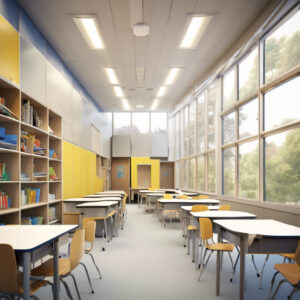
The Construction Process of a Classroom Portable: A Step-by-Step Guide

construction news for portable classrooms

As schools across the country continue to experience fluctuating enrollment numbers and space limitations, portable classrooms have become an increasingly popular solution. These structures offer a flexible and cost-effective way to expand educational space quickly, accommodating growing student populations without the need for extensive permanent construction.

Portable classrooms, also known as modular classrooms, are prefabricated structures designed for easy transportation and rapid installation. Unlike traditional brick-and-mortar buildings, these units are built off-site in a controlled factory environment and then delivered to the school location. This approach allows for efficiency, cost savings, and minimal disruption to school operations.

In this article, we will explore the complete construction process of a classroom portable, from design and site preparation to final installation and occupancy. Understanding each phase of development provides insight into the benefits and practical considerations of utilizing portable classrooms in educational settings.

The Construction Process

Design and Planning

The construction of a classroom portable begins with a detailed design and planning phase. School administrators, architects, and modular construction professionals collaborate to determine the specific requirements of the portable unit. Factors such as the number of students it needs to accommodate, electrical and HVAC needs, accessibility considerations, and integration with existing school infrastructure are taken into account.

Blueprints and 3D renderings are created to visualize the classroom layout, ensuring that it meets safety codes, energy efficiency standards, and educational requirements. Many portable classrooms include essential features such as:

  • Adequate lighting and ventilation
  • Durable, easy-to-clean flooring
  • Smartboard and technology integrations
  • Fire safety systems
  • Restrooms (if required)

Once the design is finalized, necessary permits and approvals are obtained to comply with local building codes and regulations.

 Off-Site Fabrication

Unlike traditional buildings, which are constructed on-site from the ground up, portable classrooms are built in a controlled factory environment. This method, known as modular construction, offers several advantages:

  • Faster completion times due to assembly-line efficiency
  • Improved quality control with consistent materials and construction techniques
  • Reduced material waste and environmental impact
  • Minimal weather-related delays

During this phase, the structure is framed using either wood or steel, depending on the design specifications. Walls, floors, and ceilings are assembled with insulation, wiring, plumbing (if applicable), and HVAC components integrated into the framework. Drywall is installed, and interior and exterior finishes are applied, including painting, flooring, and window installations.

Because the portable classroom is constructed in sections or modules, it is designed for easy transportation to the school site once fabrication is complete.

Site Preparation

While the classroom is being built off-site, construction crews prepare the designated area at the school for its arrival. Site preparation includes:

Clearing and Leveling: The land is cleared of debris and leveled to provide a stable foundation.

Utility Connections: Electrical, water, and sewage connections (if required) are installed to integrate the portable with the school’s existing infrastructure.

Foundation Construction: Depending on local regulations and soil conditions, various foundation types may be used, such as:

    • Concrete piers
    • Gravel pads
    • Steel or wood blocking systems
    • Permanent concrete foundations (for semi-permanent installations)

Proper site preparation ensures that the portable classroom is secure, well-supported, and safe for long-term use.

Transportation and Delivery

Once the classroom unit is completed at the factory, it is carefully transported to the school site. Modular structures are typically shipped on flatbed trucks, often in one or multiple sections, depending on the size and design.

Transporting modular classrooms requires careful logistics planning, as oversized loads must adhere to highway regulations and may require special permits or escort vehicles. Upon arrival, cranes or specialized lifting equipment are used to place the portable classroom onto its prepared foundation.

Assembly and Installation

If the portable classroom was manufactured in multiple sections, on-site assembly is required to join them together securely. The installation crew ensures that all sections are aligned correctly, and they seal any seams to make the unit watertight and structurally sound.

Additional installation steps include:

Utility Hookups: Connecting electricity, water, and sewage lines to the school’s main systems.

HVAC System Installation: Ensuring heating, ventilation, and air conditioning units are operational.

Final Interior Work: Installing any last-minute interior features, such as ceiling tiles, fixtures, and classroom furniture.

Accessibility Enhancements: Adding ramps, stairs, or pathways to ensure compliance with the Americans with Disabilities Act (ADA) and other accessibility regulations.

Inspection and Approval

Before students and teachers can occupy the new classroom, it must pass a series of inspections to ensure it meets all safety and building code requirements. Inspectors check:

  • Structural integrity
  • Fire safety measures
  • Electrical and plumbing systems
  • HVAC functionality
  • ADA compliance

Once all inspections are successfully completed, the classroom receives official approval for occupancy.

Furnishing and Final Touches

With construction complete and inspections passed, the classroom is ready for furnishing and decoration. Desks, chairs, whiteboards, storage cabinets, and teaching equipment are arranged to create an optimal learning environment. Teachers and administrators may personalize the space with educational materials, posters, and other instructional tools.

Occupancy and Use

The final step in the process is welcoming students and teachers into their new portable classroom. These units function just like traditional classrooms, providing a comfortable and efficient learning space. They can be used for various purposes, including general education, specialized programs, temporary overflow space, or even administrative offices.

Conclusion

The construction of Modular Classrooms for Sale Near Me is a well-coordinated process that balances efficiency, cost-effectiveness, and educational needs. From the initial design phase to final occupancy, each step ensures that the structure is built to meet safety standards while providing a comfortable and functional learning environment.

Portable classrooms have become an essential solution for schools facing space constraints, offering flexibility to accommodate growing student populations quickly. With advances in modular construction technology, these classrooms continue to evolve, incorporating sustainable materials and modern educational features that enhance the learning experience.

Whether used as a temporary fix or a long-term expansion, portable classrooms play a crucial role in the ever-changing landscape of education infrastructure. By understanding the process behind their construction, school administrators, educators, and communities can make informed decisions about their implementation and long-term use.

Page 4 of 4

Powered by WordPress & Theme by Anders Norén